OpenAI Hits Back at Apple With Countersuit Over Vendors, Hiring and Trade Secrets
OpenAI has filed its own lawsuit against Apple in response to Apple's earlier case, which accused the AI company of stealing trade secrets, TechCrunch reports. TechCrunch's report draws on details first published by Bloomberg.
What OpenAI claims
The countersuit says that when OpenAI began preparing to enter the hardware market, Apple tried to block it. According to the filing, Apple did this in two ways:
- Pressure on suppliers: OpenAI alleges that Apple unlawfully pushed vendors not to do business with OpenAI.
- Limits on hiring: OpenAI says Apple used broad employment restrictions to make it harder for OpenAI to hire skilled engineers.
The suit also accuses Apple of stealing OpenAI's own trade secrets. These are claims in a legal filing and have not been proven in court.
Apple's response
Speaking to the Financial Times, Apple described the countersuit as an obvious attempt to pull attention away from the main issues in its own case. Apple also pointed out that OpenAI has already been ordered to stop using Apple's confidential information.
Background: Apple's original lawsuit
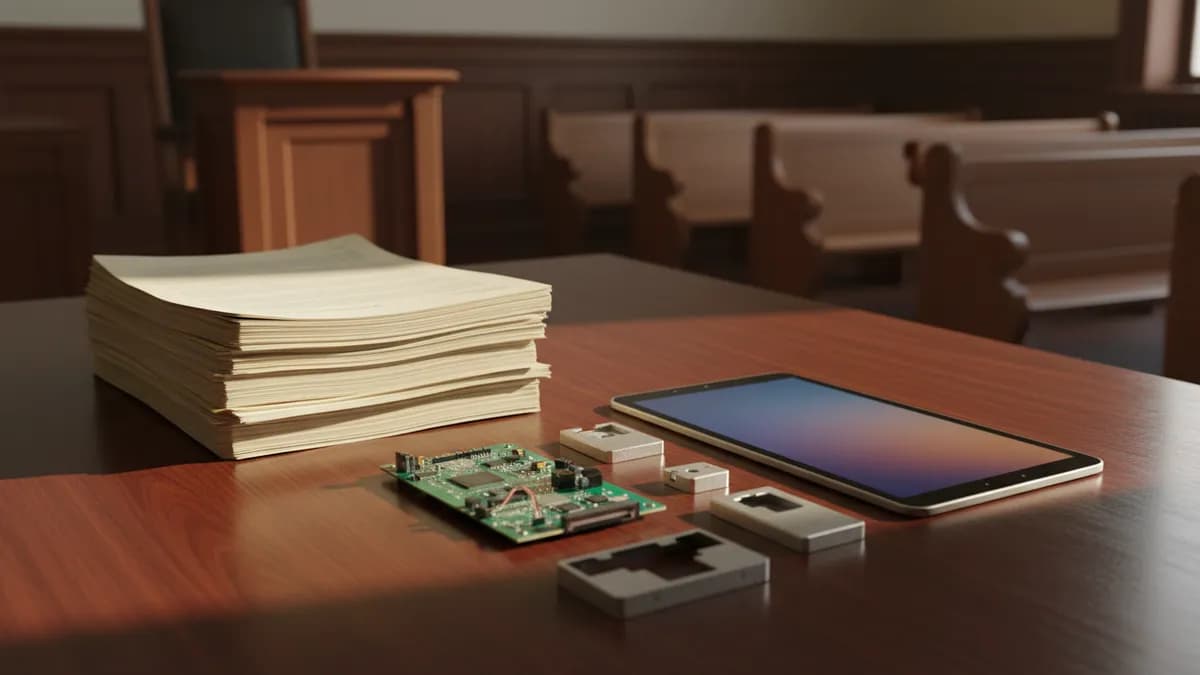
Apple's earlier case claimed that OpenAI leaders, including Chief Hardware Officer Tang Tan, asked job candidates to bring Apple hardware components to their interviews. Apple also alleged that the candidates were coached on how to get around security procedures. OpenAI replied that it has no interest in other companies' trade secrets.
A partnership turns sour
The two lawsuits show how badly relations between the companies have broken down. Apple and OpenAI had earlier partnered to bring OpenAI's ChatGPT into Apple's Siri assistant. Now they are fighting in court over hardware talent, suppliers and confidential information.
For smartphone users, the dispute matters because ChatGPT is built into Siri on Apple devices. OpenAI's plans to make its own hardware also put it on course to compete more directly with Apple.
Sources: TechCrunch
This is our own independent analysis and the author's view. Before buying any product, check its specifications, price, warranty and quality yourself. We do not guarantee that the information on this page is 100% accurate or up to date. Read more
Written by
About Johirul Islam


