
By Mitu Rani Das, Tech Enthusiast | February 9, 2026
If you’re thinking about buying a new smartphone in 2026, the mobile CPU ranking should be one of the first things you check. I’ve spent hours reading verified sources like Gizmochina, Beebom, and real benchmark reports from Geekbench and AnTuTu, and I want to share what matters for performance, gaming, camera, and battery life in a way that makes sense for someone in Bangladesh.
Why the Processor Matters
Let me tell you like this, the processor is the brain of your phone. It controls how fast apps open, how smooth your games run, how good your photos look, and how long your battery lasts. Modern chips, often called SoCs (System on Chips), pack the CPU, GPU, AI engine, and modem in one place.
Processors built on 3nm technology, which you’ll see in many top-ranked chips, are generally faster and more efficient, according to benchmark sites like Geekbench.
Top 10 Mobile CPU Chips
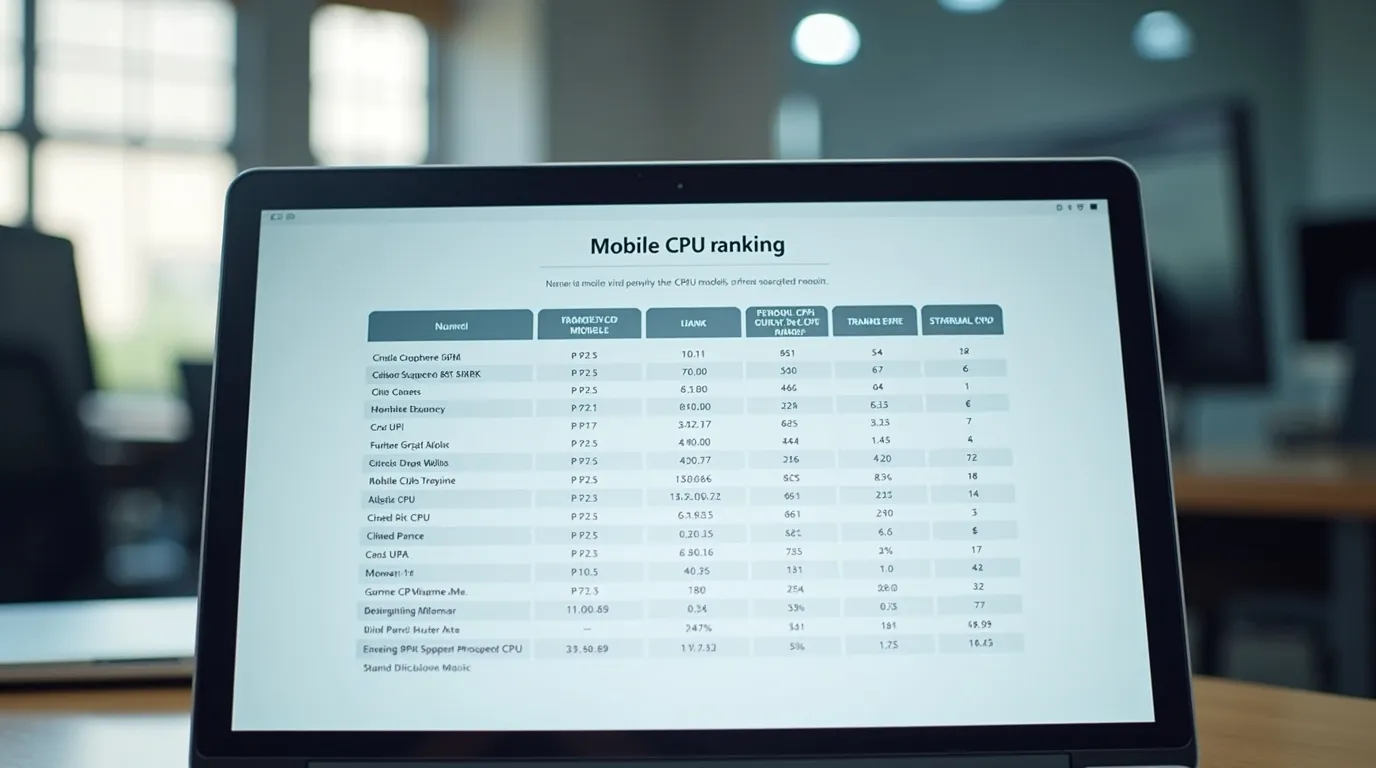
Here’s the mobile CPU ranking I trust after checking a bunch of benchmark results and trusted tech sites.
-
Snapdragon 8 Elite Gen 5, many Gizmochina benchmark articles show this chip topping multi core tests with high scores on Geekbench and AnTuTu, it is especially strong in Android gaming performance.
-
Apple A19 Pro, verified in Beebom comparisons, this chip often leads single-core results in Geekbench tests and delivers excellent efficiency, great for everyday use and creative work.
-
MediaTek Dimensity 9500, according to Gizmochina, this is an amazing value processor, almost flagship level performance at a lower cost.
-
Google Tensor G5, strong at AI and photography tasks because of its machine learning hardware.
-
Samsung Exynos 2500, a solid performer with good support for high refresh displays and efficient power usage.
-
Apple A17 Pro, last generation Apple chip still holds up with impressive real world performance.
-
MediaTek Dimensity 9400 Plus, great for balanced gaming and daily use without huge price tags.
-
Xiaomi Xring O1, custom chip in Xiaomi devices that surprises a lot of reviewers with its performance.
-
Snapdragon 8 Gen 3, older flagship but still very capable for most users.
-
MediaTek Dimensity 9300, all performance core design that handles multitasking smoothly.
In benchmarks I’ve seen on Geekbench, Snapdragon 8 Elite Gen 5 scores super high on multi-core tests, the A19 Pro holds the lead on single core scores, and Dimensity 9500 is not far behind but costs much less. AnTuTu scores also reflect similar trends.
How to Use Mobile CPU Rankings for Different Needs
Let me break it down by what you actually do with your phone.
For Gamers
If you play games like BGMI or Call of Duty Mobile, you want a strong GPU and good cooling. Snapdragon 8 Elite Gen 5 and Dimensity 9500 are my top picks because they consistently show high frame rates in benchmarks I’ve read on Gizmochina.
For Camera Lovers
If photos mean a lot, AI processing and Image Signal Processor (ISP) matter. Apple’s A series chips and Google Tensor G5 handle computational photography really well, something I’ve seen talked about in Beebom reviews.
For Battery Life
Chips built on newer processes, like 3nm, with efficient cores go a long way. Apple chips and mid range Dimensity chips usually last longer in everyday use.
For Budget Conscious Buyers
Honestly, you do not need to pay flagship prices. Snapdragon 7+ Gen 3 or Dimensity 8300 give you most of the performance for much less, and Gizmochina benchmarks confirm they handle daily tasks and light gaming very well.
Mobile CPU Ranking Myths
You’ve probably heard some of these.
Myth: More cores always mean better performance.
Nope. Better architecture and optimization matter more than just the number of cores.
Myth: Higher GHz equals faster phone.
Not always. Real-world performance depends on how efficient the cores are, not just clock speed.
Myth: Benchmarks tell the whole story.
Benchmarks like Geekbench and AnTuTu help compare chips, but real world performance also depends on software optimization and cooling.
Future Trends I’m Excited About

Based on what I’ve read from Gizmochina and other tech blogs:
-
2nm processors are coming soon with even better efficiency.
-
AI-first chip designs will make features like on-device translation and smart camera tricks much faster.
-
6G modems will start appearing, meaning faster network speeds and lower latency for cloud gaming.
My Take for Bangladesh
Here’s how I’d use the mobile CPU ranking to choose a phone here in Bangladesh.
Best overall performance: iPhone 17 Pro Max with Apple A19 Pro
Best Android gaming pick: Samsung Galaxy S26 Ultra with Snapdragon 8 Elite Gen 5
Best value for money: Phones with MediaTek Dimensity 9500
Great mid-range choice: Snapdragon 7+ Gen 3 or Dimensity 8300
Even mid-range phones from 2026 feel way faster than flagships from just a couple of years ago. That’s insane progress.
Conclusion
Using a mobile CPU ranking is not just about chasing numbers. It shows real performance in everyday life. For Bangladesh users, match the chip to how you use your phone. Gamers should lean toward Snapdragon or Dimensity gaming chips, camera lovers toward Apple or Tensor, and everyday users will be totally fine with mid-range chips.
The processor you pick will shape your phone experience for years, so choose based on real benchmarks and how you actually use your phone, not just advertising.
FAQs About Mobile CPU Ranking
Which mobile CPU is the fastest in 2026?
Benchmark results from sources like Gizmochina and Beebom show Snapdragon 8 Elite Gen 5 leading multi core tests and Apple A19 Pro leading single core performance.
What is the best CPU for gaming?
For heavy gaming, Snapdragon 8 Elite Gen 5 and MediaTek Dimensity 9500 deliver excellent GPU performance and sustained FPS.
Which CPU is best for battery life?
Apple A series chips are very efficient, and mid range Dimensity chips also deliver great battery life in daily use.
Do I need a flagship processor for everyday tasks?
Not really. Mid range chips like Snapdragon 7+ Gen 3 handle most apps, multitasking, and light gaming smoothly.
Are AnTuTu and Geekbench scores reliable?
They are good for comparing raw performance, but real world experience might vary based on software and cooling design.
How long will these processors stay relevant?
Flagship chips usually stay powerful for several years, but software updates and optimization matter just as much.


