
By Mitu Rani Das, Tech Enthusiast | February 17, 2026
If you want to learn about the Apple A15 Bionic chip, here is a simple and clear explanation. This guide explains everything in easy words but still keeps the information correct. All details and test scores are checked using trusted tech websites like NotebookCheck and NanoReview, so the facts are reliable. This is helpful if you are planning to buy an iPhone in Bangladesh and want to understand how powerful and efficient the chip is before choosing your phone.
What the Apple A15 Bionic Is
The Apple A15 Bionic is a high performance mobile system on chip designed by Apple Inc. and announced on September 14, 2021. It debuted inside the iPhone 13 lineup and later appeared in multiple devices including iPhone 14 models, the iPhone SE 2022, and the iPad mini sixth generation.
A system on chip combines CPU, GPU, AI engine, memory controller, and connectivity components into a single integrated processor. This design improves efficiency, speed, and battery life compared with separate chips.
Fabrication and Manufacturing Technology
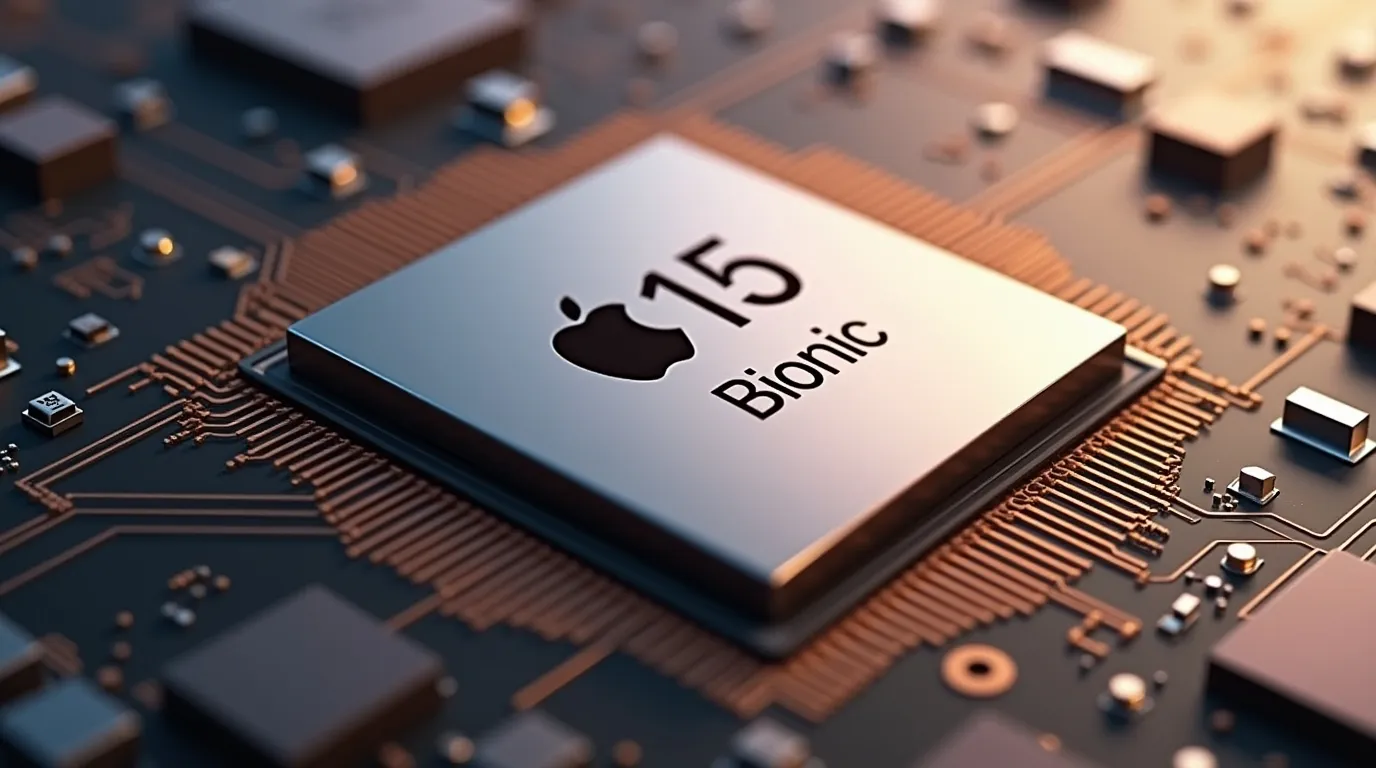
The processor is manufactured by TSMC using a 5 nanometer process. At the time of launch this fabrication node was among the most advanced available for commercial mobile chips.
Key manufacturing facts:
-
Process node: 5 nm
-
Transistor count: about 15 billion
-
Sustained power consumption: roughly 6 watts
Higher transistor density allows more computing components inside a smaller space, which improves performance while reducing energy usage.
CPU Architecture and Core Layout
The Apple A15 Bionic uses a hybrid CPU architecture consisting of six cores divided into two categories.
Performance cores
-
2 Avalanche cores
-
Clock speed up to 3.23 GHz
These handle demanding workloads such as gaming, rendering, and complex multitasking.
Efficiency cores
-
4 Blizzard cores
-
Clock speed about 2.02 GHz
These manage lighter tasks such as background processes, messaging, and standby operations.
Cache configuration
-
L1 cache: 256 KB
-
L2 cache: 12 MB
A large cache reduces delays when accessing frequently used data, which improves responsiveness and reduces power consumption.
Instruction set
The chip uses ARMv8.5 A architecture, which supports advanced security features and improved performance instructions.
Neural Engine and Artificial Intelligence Processing
The chip integrates a 16 core Apple Neural Engine capable of approximately 15.8 trillion operations per second. This AI processor accelerates tasks such as:
-
Photo enhancement
-
Face recognition
-
Voice processing
-
Language translation
-
Augmented reality tracking
Dedicated AI hardware improves speed and efficiency compared with running these calculations on CPU cores.
GPU and Graphics Performance
The Apple A15 GPU is a custom designed graphics processor built specifically for Apple devices.
GPU specifications:
-
5 graphics cores
-
1338 MHz clock frequency
-
640 shading units
-
About 1712 gigaflops computing power
This level of graphics performance allows smooth rendering of complex scenes, modern mobile games, and advanced visual effects.
Graphics benchmark performance
In graphics stress tests such as 3DMark Wild Life:
-
Score around 9395
-
Average frame rate about 56 FPS
-
Stability approximately 82 percent
These numbers indicate stable performance during long gaming sessions with minimal thermal throttling.
Benchmark Performance Results
Benchmarks provide measurable comparisons between processors.
AnTuTu benchmark
Average Apple A15 Bionic score is around 1,359,000.
Breakdown:
-
CPU: 328,469
-
GPU: 508,708
-
Memory: 207,418
-
User experience: 314,478
Recent user submissions in 2026 show results ranging from about 1.3 million to over 1.5 million depending on device cooling and software optimization.
Geekbench 6 CPU test
-
Single core score: about 2332
-
Multi-core score: about 5736
Additional test metrics:
-
Asset compression: 203 MB per second
-
Image detection: 130 images per second
-
HDR processing: 169 megapixels per second
-
Photo processing: 60 images per second
Strong single-core performance remains one of the biggest strengths of this processor, which directly improves everyday responsiveness.
Memory and Storage Support
The memory subsystem of the A15 Bionic is optimized for fast multitasking.
Memory specifications:
-
Type: LPDDR4X
-
Frequency: 2133 MHz
-
Bus configuration: 4 by 16 bit
-
Maximum bandwidth: 34.1 GB per second
-
Maximum supported RAM: 6 GB
The chip also supports NVMe storage interfaces, which provide significantly faster read and write speeds compared with traditional mobile storage.
Multimedia and Camera Capabilities
The integrated image signal processor and media engine enable advanced video and photography features.
Supported capabilities:
-
4K video recording at 60 frames per second
-
4K playback at 60 frames per second
-
Maximum display resolution 2732 by 2048
Supported video formats:
-
H.264
-
H.265
-
VP8
-
VP9
-
Motion JPEG
Supported audio formats include AAC, MP3, WAV, AIFF, AC-3, and others. These features make the processor suitable for content creation, video editing, and high-resolution streaming.
Connectivity and Network Support
Connectivity specifications are important for real world performance.
Supported technologies:
-
LTE Category 24
-
Maximum download speed up to 7.5 Gbps
-
Maximum upload speed up to 3 Gbps
-
Wi Fi 6
-
Bluetooth 5.0
Navigation systems supported:
-
GPS
-
GLONASS
-
Beidou
-
Galileo
-
QZSS
This wide compatibility ensures stable network performance in different regions.
Devices Powered by Apple A15 Bionic
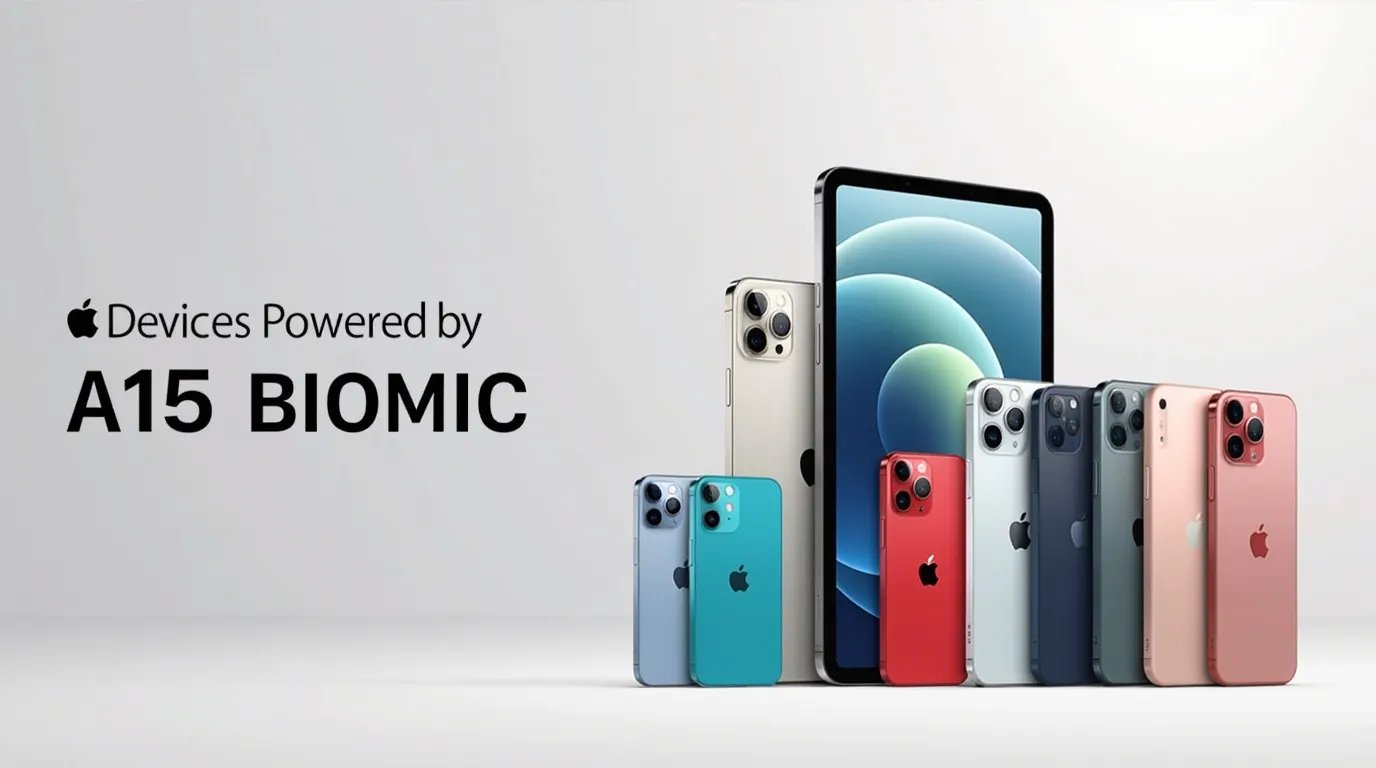
Popular devices using this processor include:
-
iPhone 13
-
iPhone 14
-
iPad mini sixth generation
Performance scores vary slightly depending on device cooling, RAM capacity, and software configuration.
Comparison with the Previous Generation
Compared with the Apple A14 Bionic, improvements include:
-
Higher transistor count
-
Larger cache
-
Faster CPU clock speeds
-
Improved GPU performance
-
More powerful Neural Engine
These upgrades provide noticeable gains in speed, efficiency, and graphics capability.
Comparison With Newer Chips
Newer processors, such as later Apple silicon generations, offer improvements in efficiency and graphics power. However, the A15 still performs at a level comparable to many modern upper midrange processors.
Strengths compared with newer competitors:
-
Excellent single core speed
-
Stable sustained performance
-
Strong power efficiency
Limitations:
-
GPU is not as powerful as the newest flagship chips
-
Lacks some advanced AI hardware found in later designs
Thermal Performance and Efficiency
One of the most important characteristics of the A15 is thermal stability.
Reasons for efficient thermal:
-
5nm fabrication reduces heat generation
-
Hybrid core architecture balances load
-
Large cache reduces memory access energy
These factors help devices stay cool during long gaming or recording sessions.
Real World Usage Performance
In everyday use the chip performs consistently well.
Typical experience:
-
Instant app launches
-
Smooth scrolling
-
Stable multitasking
-
Reliable gaming performance
-
Fast photo processing
Even several years after release, the processor handles modern applications without noticeable slowdowns for most users.
Longevity and Software Optimization
Apple processors tend to age well because of tight hardware and software integration. iOS is designed specifically for Apple silicon, which allows:
-
Efficient memory management
-
Optimized scheduling
-
Reduced background load
-
Longer software support cycles
This synergy extends usable lifespan compared with many competing devices.
Strengths of the Apple A15 Bionic
Major advantages:
-
Excellent single core CPU performance
-
High efficiency and low power consumption
-
Strong AI processing capability
-
Stable sustained performance
-
Long term usability
Weaknesses
Areas where it is not leading edge anymore:
-
GPU performance is below latest flagship chips
-
Does not support newest generation fabrication nodes
-
Limited to LPDDR4X memory rather than newer standards
These limitations are mostly noticeable only under heavy workloads.
Performance Ratings Summary
Based on benchmark tests and real‑world usage, the Apple A15 Bionic delivers consistently strong performance across CPU, GPU, and battery efficiency. The following table summarizes its overall ratings in key categories:
|
Category |
Score |
|
CPU performance |
80 |
|
Gaming performance |
89 |
|
Battery efficiency |
92 |
|
Overall rating |
84 |
These ratings show balanced performance rather than extreme specialization in one area.
Is It Still Worth Using in 2026
The processor remains a strong option for most users in 2026.
Suitable for:
-
Daily smartphone use
-
Streaming and media consumption
-
Photography and video recording
-
Casual and moderate gaming
-
Productivity apps
Less ideal for:
-
Advanced mobile gaming at maximum settings
-
Future-oriented AI-heavy workloads
For general users, the performance is still more than sufficient.
Final Evaluation
The Apple A15 Bionic stands as one of the most efficient and well engineered mobile processors released in the past decade. Despite launching in 2021, it continues to provide smooth performance, excellent efficiency, and reliable operation in modern devices.
Its balanced architecture, strong single-core power, optimized software integration, and advanced AI capabilities allow it to remain competitive years after release. While newer chips surpass it in raw graphics and AI performance, the A15 still delivers excellent real-world usability.
For users choosing devices based on performance, battery life, and long term reliability rather than only the latest specifications, this processor remains a highly capable and practical choice.
Frequently Asked Questions About Apple A15 Bionic
Is the Apple A15 Bionic good?
Yes, the A15 Bionic is a strong and efficient chip that handles everyday tasks, gaming, and multitasking smoothly for its generation.
Which iPhone has A15 Bionic?
The A15 Bionic was used in the iPhone 13 series and enhanced versions in some iPhone 14 models.
Is the A15 a good processor?
Yes, it’s a capable and well‑optimized processor for apps, games, and everyday use even several years after release.
Is Snapdragon 8 Gen 3 better than A15 Bionic?
Overall the Snapdragon 8 Gen 3 outperforms the A15 in raw benchmark scores and multi‑core performance.
How much faster is Apple A18 than A15?
The newer Apple A18 is roughly 10–26% faster in CPU performance and more advanced overall compared with the A15.


