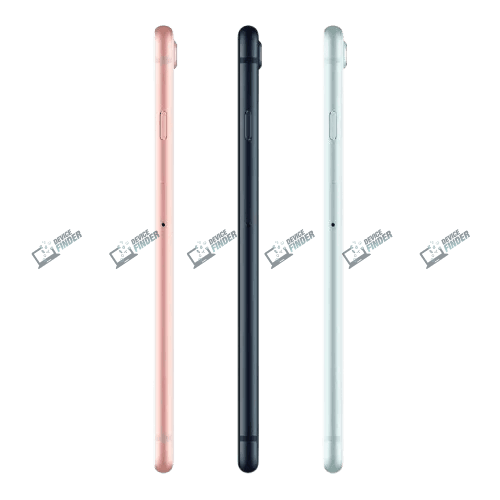
Compare of Apple iPhone 8 Plus vs Samsung Galaxy S25 Ultra : Best Specs & Price in BD
67 %
Overall
92 %
Our Comparison
Display
70 %100 %
Ram
60 %90 %
Rom
60 %90 %
Battery
60 %90 %
Network
80 %90 %
Processor
70 %90 %
Apple iPhone 8 Plus
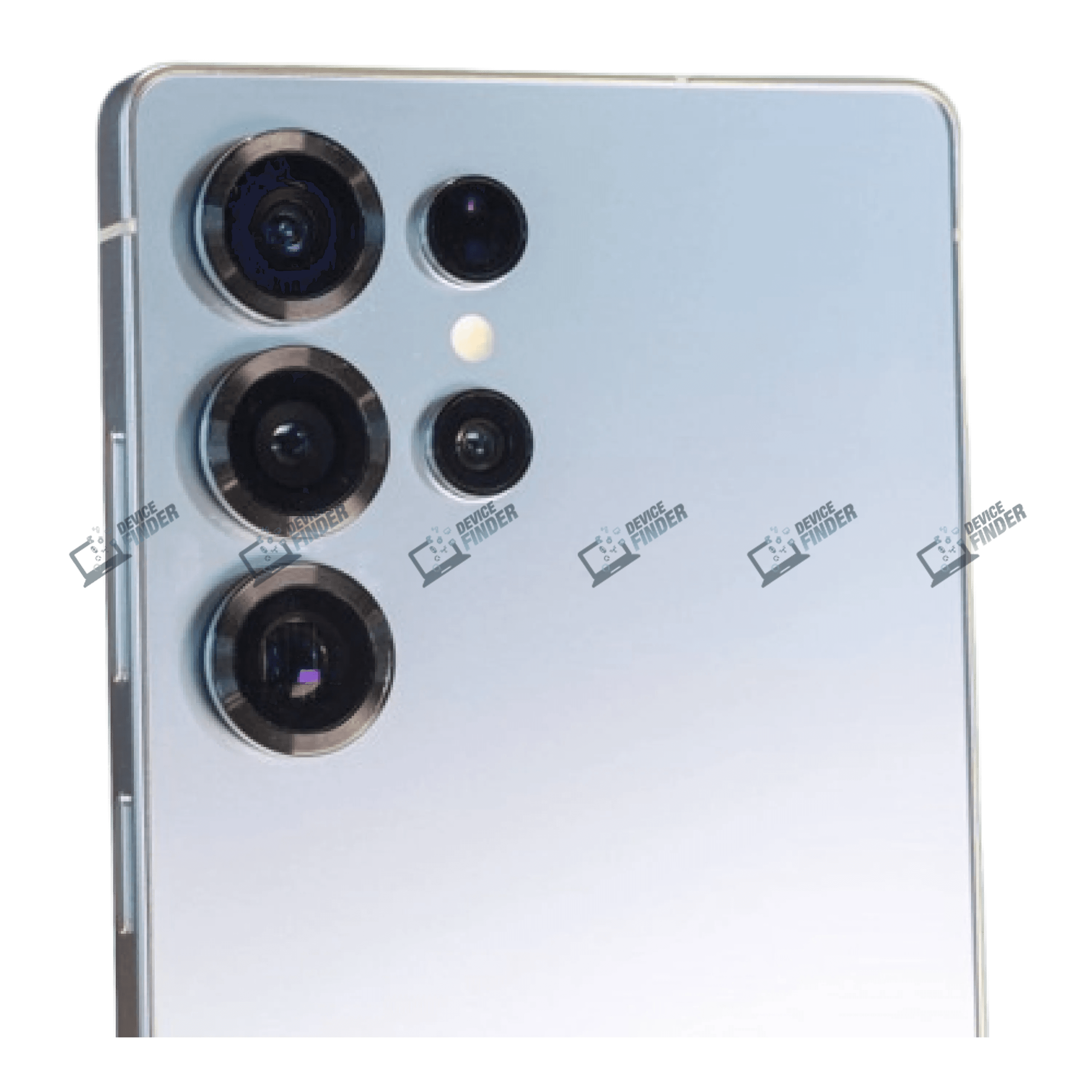
Samsung Galaxy S25 Ultra
General
- Brand: Apple
- Model: Apple iPhone 8 Plus
- Model Aliases: A1864, A1897, A1898, A1899
- Launch Date: 2017, September 12. Released 2017, September 22
- Status: Discontinued
- Color Variant: Gold, Space Gray, Silver, Red
- Release Country: Global
- Brand: Samsung
- Model: Samsung Galaxy S25 Ultra
- Model Aliases: SM-S938B, SM-S938B/DS, SM-S938U, SM-S938U1, SM-S938W, SM-S938N, SM-S9380, SM-S938E, SM-S938E/DS
- Launch Date: 2025, January 22
- Status: Available. Released 2025, February 03
- Color Variant: Titanium Silver Blue, Titanium Black, Titanium White Silver, Titanium Gray, Titanium Jade Green, Titanium Jet Black, Titanium Pink Gold
- Release Country: Global
Display
- Type: Retina IPS LCD, 625 nits (typ)
- Size: 5.5 inches, 83.4 cm2 (~67.4% screen-to-body ratio),
- Resolution: 1080 x 1920 pixels, 16:9 ratio
- Pixel Density: ~401 ppi density
- Color Depth: 625 nits (typ)
- Protection: Ion-strengthened glass
- Features: 3D Touch display & home button
- Type: Dynamic LTPO AMOLED 2X, 120Hz, HDR10+, 2600 nits (peak)
- Size: 6.9 inches, 116.9 cm2(~92.5% screen-to-body ratio)
- Resolution: 1440 x 3120 pixels, 19.5:9 ratio
- Pixel Density: ~498 ppi density
- Color Depth: 2600 nits (peak)
- Protection: Corning Gorilla Armor 2
- Features: Always-on displayDX anti-reflective coating
Body
- Dimensions: 158.4 x 78.1 x 7.5 mm (6.24 x 3.07 x 0.30 in)
- Weight: 202 g (7.13 oz)
- Build Materials: Glass front (Corning-made glass), glass back (Corning-made glass), aluminum frame
- Sim: Nano-SIM
- Certification: IP67 dust/water resistant (up to 1m for 30 min), Apple Pay (Visa, Master Card, AMEX certified)
- Dimensions: 162.8 x 77.6 x 8.2 mm (6.41 x 3.06 x 0.32 in)
- Weight: 218 g (7.69 oz)
- Build Materials: Glass front (Corning Gorilla Armor 2), glass back (Gorilla Glass Victus 2), titanium frame (grade 5)
- Sim: Nano-SIM + Nano-SIM +eSIM+ eSIM (max 2 at a time) - INTNano-SIM + eSIM + eSIM (max 2 at a time) - USANano-SIM + Nano-SIM - CN
- Certification: IP68 dust tight and water resistant (immersible up to 1.5m for 30 min)Stylus
Platform
- Os: iOS 11, up to iOS 16.7.7
- Software Enhancements: N/A
- Os: Android 15, up to 7 major Android upgrades, One UI 7
- Software Enhancements: N/A
Battery
- Type: non-removable (10.28 Wh)
- Capacity: Li-Ion 2691 mAh
- Reverse Charging: No
- Charging: 15W wired, PD2.0, 50% in 30 min (advertised), Wireless (Qi)
- Type: N/A
- Capacity: Li-Ion 5000 mAh
- Reverse Charging: Yes
- Charging: 45W wired, PD3.0, 65% in 30 min15W wireless (Qi2 Ready)4.5W reverse wireless
Network
- Technology: GSM / HSPA / LTE
- Speed: HSPA 42.2/5.76 Mbps, LTE (3CA), Cat12 600/150 Mbps, EV-DO Rev.A 3.1 Mbps
- 2 G Bands: GSM 850 / 900 / 1800 / 1900
- 3 G Bands: HSDPA 850 / 900 / 1700 (AWS) / 1900 / 2100
- 4 G Bands: 1, 2, 3, 4, 5, 7, 8, 12, 13, 17, 18, 19, 20, 25, 26, 28, 29, 30, 34, 38, 39, 40, 41, 66
- 5 G Bands: No
- G P R S: Yes
- E D G E: Yes
- Technology: GSM / CDMA / HSPA / EVDO / LTE / 5G
- Speed: HSPA, LTE (up to 7CA), 5G
- 2 G Bands: GSM 850 / 900 / 1800 / 1900
- 3 G Bands: HSDPA 850 / 900 / 1700(AWS) / 1900 / 2100
- 4 G Bands: 1, 2, 3, 4, 5, 7, 8, 12, 13, 17, 18, 19, 20, 25, 26, 28, 32, 38, 39, 40, 41, 66 - International
- 5 G Bands: 1, 2, 3, 5, 7, 8, 12, 20, 25, 26, 28, 38, 40, 41, 66, 75, 77, 78 SA/NSA/Sub6 - International
- G P R S: Yes
- E D G E: Yes
Connectivity
- Supported S I M: Nano-SIM
- Network: Yes
- Gsm: Yes
- Cdma: No
- Cdma2000: No
- Umts: Yes
- Lte: Yes
- Five G Gnr: No
- Wifi: Wi-Fi 802.11 a/b/g/n/ac, dual-band, hotspot
- Bluetooth: 5.0, A2DP, LE
- Nfc: Yes
- Usb: Lightning, USB 2.0
- Infrared Port: No
- Fm Radio: No
- Other: GPS, GLONASS, GALILEO, QZSS
- Supported S I M: Nano-SIM + Nano-SIM +eSIM+ eSIM (max 2 at a time) - INTNano-SIM + eSIM + eSIM (max 2 at a time) - USANano-SIM + Nano-SIM - CN
- Network: Yes
- Gsm: Yes
- Cdma: Yes
- Cdma2000: Yes
- Umts: Yes
- Lte: Yes
- Five G Gnr: Yes
- Wifi: Wi-Fi 802.11 a/b/g/n/ac/6e/7, tri-band, Wi-Fi Direct
- Bluetooth: 5.4, A2DP, LE
- Nfc: Yes
- Usb: USB Type-C 3.2, DisplayPort 1.2, OTG
- Infrared Port: No
- Fm Radio: No
- Other: GPS, GLONASS, BDS, GALILEO, QZSS
Memory
- Card Slot: No
- Card Capacity: NVMe
- Internal Storage: 64GB, 128GB, 256GB
- Card Slot: No
- Card Capacity: UFS 4.0
- Internal Storage: 256GB, 512GB, 1TB, 1TB
Sensors
- Sensor: Fingerprint (front-mounted), accelerometer, gyro, proximity, compass, barometer
- Sensor: Fingerprint (under display, ultrasonic), accelerometer, gyro, proximity, compass, barometer
Benchmarks
- Performance Scores: GeekBench: 10037 (v4.4)
- Display: Contrast ratio: 1395:1 (nominal), 3.957 (sunlight)
- Camera: Photo/Video
- Loudspeaker: Voice 76dB / Noise 74dB / Ring 79dB
- Battery: Endurance rating 81h
- Performance Scores: AnTuTu: 2207809 (v10)GeekBench: 9846 (v6)3DMark: 6687 (Wild Life Extreme)
- Display: 1417 nits max brightness (measured)
- Camera: N/A
- Loudspeaker: -24.6 LUFS (Very good)
- Battery: N/A
Prices
Apple iPhone 8 Plus Price in Bangladesh is 84000 (BDT)
Samsung Galaxy S25 Ultra Price in Bangladesh is 150000 (BDT)
Popular Mobile Phones
No Popular Phones Found
Latest Mobile Phone
No Latest Phones Found
Popular Product Review in Bangladesh

Apple iPhone 6 Review: Specs, Price, Features, Performance & Alternatives
Introduction Apple iPhone 6 was launched with many changes in 2014. The iPhone 6 had a larger screen (4.7-inch Retina HD), a thinner aluminum body, and a better iOS system. It is still considered by many Bangladeshi users to be a good device for everyday use, as it feels smooth and premium. Apple iPhone 6 prices in Bangladesh are now cheaper in refurbished and second-hand shops. It's a great way to get started with an Apple phone. We will see how the Apple iPhone 6 performs in Bangladesh. Unboxing the Box and First Impressions The Apple iPhone 6 packaging is simple and easy to open. The box contains the Apple iPhone 6, Apple EarPods (which are included), a USB cable and charger, as well as some paperwork. The box is neat, but the new Bangladeshi buyer may be disappointed as it does not include a fast charger or any extra accessories. The phone feels light when you first pick it up. It weighs 129 g. It feels great in your hand because the edges are rounded and soft. The design is elegant and slimmer, so it will appeal to people in Bangladesh who are upgrading from older iPhones or Androids. Retina HD displays crisp and clear details. The iPhone 6 may be old, but the design and ease of setup give it a premium feeling to Bangladeshi buyers. Design and Build Quality Apple iPhone 6 was designed very differently from iPhone 5s. It is made of aluminum, has round corners, and measures only 6.9 mm thick. It was one of the thinnest iPhones available at that time. This design is still popular in Bangladesh because it feels sturdy and looks good. It weighs only 129 grams and feels lightweight but not fragile. The front glass curves smoothly and is joined to the aluminum frame. Today, the bezels are large but still look premium. Some Bangladeshi users are aware of "Bendgate," whereby the phone bends under heavy pressure. If you add a case to your phone, which can be easily purchased in Bangladesh, this will not cause a problem. Space Gray, silver, and gold are the most popular colors in Bangladesh. The iPhone isn't water-resistant, but the iPhone is still strong enough to be used every day. The design remains popular. It is popular among Bangladeshis because it feels like an Apple classic phone and looks the same. Display Apple iPhone 6 features a Retina HD 4.7-inch screen with 1334x750 pixels. The display is sharp for everyday use, with 326 ppi. It can be used to view Facebook, YouTube or Bangladeshi news. The screen is not Full HD but it has a good contrast and brightness. The colors are not overpowering and look natural. It is ideal for those who wish to view or edit photographs. The IPS LCD panel has a wide viewing angle. The picture is still clear even if the phone is tilted. The 500 nits of brightness are fine for Bangladeshi students and workers who work outside. Apple has done a fantastic job with color balance. The apps look the same when they are in color. The iPhone 6 has a better tone than the Android phones that are cheaper in Bangladesh. It does not support HDR or high refresh rates like the modern smartphones. Gamers might not like it, but normal Bangladeshi users will not. The screen is fine for video chat and light gaming. The Apple iPhone 6's display is still very good, even though it is an older model. It is a good choice for Bangladeshi users looking for clear colors and smooth operation, especially given its current price. Performance Apple iPhone 6 is powered by the Apple A8 chip with the M8 motion coprocessor. It was faster when it first came out than most phones. It still works for Bangladeshi users to this day, with calls, messages and social apps. The A8 chip is equipped with a dual-core, 1.4 GHz Cyclone processor and PowerVR GX6450 graphics. The A8 chip makes games and pictures run smoothly. The phone is not lagging much when used for daily tasks like Facebook, WhatsApp or YouTube. iOS was designed to be smooth and the apps open quickly. It can run games like Subway Surfers and Candy Crush, but not modern heavy games. You can't run many apps at once because it only has 1GB of RAM. It is not suitable for Bangladeshi users, who are fond of multitasking. It is still fine for normal users or students. In Bangladesh, the network and app usage is steady. The phone is still smooth. iPhone 6 can handle daily tasks, but modern apps require more power. Apple iPhone 6 price Bangladesh is a good deal, but heavy users may want to consider other phones. Operating System and User Interface Apple iPhone 6 began with iOS 8, and received updates to iOS 12 later. The phone is smoother for Bangladeshi users but no new updates are available. The interface is simple and clean. The menus and settings are simple to understand. Students and workers in Bangladesh can easily use social apps, bKash or Nagad. Apple optimizes even older phones to ensure a smooth UI. There are no new iOS features such as widgets, privacy tools or dark mode. Some apps will not run on iOS 12 but others may. iPhone 6 is still a good choice for those who prefer a stable, simple UI. The operating system is a premium experience for the price of the phone in Bangladesh. Camera Apple iPhone 6 comes with an 8MP rear camera and a 1.2MP front-facing camera. The camera was praised for its natural colors and quick focus when it was first released. Today, in Bangladesh, the camera still produces good photos for social media. The rear camera features a f/2.2 aperture with autofocus and dual LED lighting. Photos taken in daylight have good clarity and detail. Colors look real. This is a great camera for Bangladeshi users to use at family events, outdoor activities, and travel. The flash is helpful in low-light situations, when photos appear noisy and soft. Video quality is excellent. iPhone 6 is capable of shooting Full HD 1080p videos at 60fps and slow motion at 240fps. This can be useful for Bangladeshi students and creators who create YouTube or TikTok video. The front 1.2MP is good for video calls and selfies on IMO Messenger or Zoom. The quality is not sharp but the colors look good. iPhone 6 is a better phone than the budget Androids in Bangladesh. It has less megapixels, but it also takes photos with more real colors and a steady image. The photos on the iPhone 6 are more natural looking for many Bangladeshi users. Even though it's old, the iPhone 6 still has a good camera for everyday social use. The camera of the Apple iPhone 6 is still very good for its price in Bangladesh. Batteries and Charging Apple iPhone 6 battery is 1810mAh, which is a very small battery. It was great when it first came out but it now feels weak. With normal calls, social media and messages in Bangladesh, the battery lasts for almost a day. Users who use their phones heavily should charge twice a day. Only 5W of charger power is supported, which makes it very slow. The charge takes over 2 hours. In Bangladesh, many people use powerbanks or simply replace their old batteries with new ones. Wireless charging is not available on the iPhone 6. iOS is very power-efficient, so the standby time should be fine. Battery is a weak point for Bangladeshi users. The Apple iPhone 6 is still a good choice for light users, however. Connectivity and Network Apple iPhone 6 supports 4G LTE, 2G, 3G and 2G. This means that you can use Teletalk, Grameenphone and Banglalink in Bangladesh without any problems. This phone is Wi-Fi enabled and connects to the internet at home or in the office. The speed is great for browsing, Facebook, YouTube or YouTube. Bluetooth 4.0 is supported. It can be used with AirPods or headphones. Apple Pay is not supported in Bangladesh. NFC isn't very useful in Bangladesh. GPS works well with A-GPS, GLONASS. Google Maps, Uber and Pathao are all aided by it. Location is accurate and fast in Dhaka and any other city. The network is stable. The network is stable. Hotspots can be shared with your friends. Network and internet is still good for Apple iPhone 6 price Bangladesh. Storage Options Apple iPhone 6 is available in four different sizes: 16GB, 32GB 64GB and 128GB. Most second-hand shops in Bangladesh sell 16GB and64GB. Memory card slots are not available. You cannot add more space. You should select more storage if you are a Bangladeshi student or employee. The 16GB model fills up very quickly with apps and photos. Apple offers iCloud Storage. In Bangladesh, however, offline storage is more popular because the internet costs so much. Apple iPhone 6 Price in Bangladesh: The 64GB model is the best. Sound Quality Apple iPhone 6 only has one speaker on the bottom. The sound is clear and loud, but it's not stereo. It is sufficient for YouTube, music videos and other YouTube-related content in Bangladesh.The sound is very natural. The high sounds are very clear. The middle sounds are good. Bass is low, but acceptable. Sound is improved if you use Apple EarPods. EarPods can still be purchased in Bangladeshi shops. The voice is clear and loud when calling. Even in Dhaka's noisy streets, IMO and Messenger sound great. The sound quality is good for the Apple iPhone 6 price Bangladesh. Unique Features Apple iPhone 6 was a new device with many features. The Apple iPhone 6 was the first iPhone to have a Retina HD 4.7-inch screen. The Bangladeshi people loved the larger screen. Apple Pay was also available with NFC. However, in Bangladesh it is not used. Touch ID fingerprints were also new. The fingerprint unlocking system is fast and secure. It was thin and light. The design was sleek and light. People still like the way it feels in their hands. Apple iPhone 6 price Bangladesh offers users style, security, and simplicity in one device. Compare and Compete Apple iPhone 6 vs Apple iPhone 6s iPhone 6s features faster chip, a better camera and longer updates. iPhone 6 has a larger screen and is cheaper. Winner: iPhone 6s Apple iPhone 6 vs Apple iPhone SE SE is smaller, faster and better. iPhone 6 features a larger screen and a simple design. Winner: iPhone SE Apple iPhone 6 vs Apple iPhone 7 iPhone 7 features a faster chip and a better camera. iPhone 6 features a classic design with a smooth feel. Winner: iPhone 7 Apple iPhone 6 vs Apple iPhone 8 iPhone 8 features wireless charging, a better camera and a newer chip. The iPhone 6 is easy to handle and light. Winner: iPhone 8 Apple iPhone 6 vs Samsung Galaxy J7 (2016) Galaxy J7 comes with a larger battery and memory slot. iPhone 6 camera is better and system is smoother. Winner: iPhone 6 Apple iPhone 6 vs Xiaomi Note 5 Redmi Note 5 comes with a larger screen and a bigger battery. iPhone 6 is a better-built device with smoother apps. Winner: Ties (depends on your choice) Apple iPhone 6 vs Oppo F5 Oppo F5 comes with a larger screen and more RAM. iPhone 6 camera has improved color and iOS is smoother. Winner: Oppo F5 for power, iPhone 6 for camera quality. Apple iPhone 6 vs Huawei P9 Lite Huawei's dual SIM card and memory slot. iPhone 6 comes with a nicer build and a better camera. Winner: iPhone 6 Apple iPhone 6 vs Nokia 6.1 Nokia's new design, larger battery and stock Android are all available. Apple's brand and smoother system are the iPhone 6's main features. Winner: Nokia 6.1 Apple iPhone 6 vs Realme C2 Realme's battery and screen are bigger. iPhone 6 offers a smoother, more responsive feel with a better camera. Winner: Realme C2 battery, iPhone 6 style and camera. Verdict Apple iPhone 6 feels like an old phone, but it still works well. It is a good choice for people who are looking for a nice, simple iPhone. The screen, design and camera are all good for everyday use. The battery and updates have become weaker. It is safe and nice for light users, first-time iPhone buyers or students. Price and Value Apple iPhone 6 has a smooth iOS and a good design, even though it is an older model. Today, many phones have larger batteries and faster components. Few phones have the smoothness and quality of iPhone 6's apps and build. iPhone 6 is a good choice for beginners if you're looking for Apple brand and simplicity. Target Audience It is not for heavy gamers or those who want long battery life. The iPhone 6 is not for gamers who need a long-lasting battery or heavy users. It is good for social apps, pictures, calls and style. It is also a good choice for parents as their first safe phone for children. Availability and After Sales Support There are many phones available online and in shops that have been used. In Dhaka and in other cities, it is easy to get parts like the screen and battery. Many problems can be fixed by local repair shops. Apple's official support is not very good in Bangladesh. Third-party repairs are easy and inexpensive. There are many places to buy cases and chargers. Conclusion Apple iPhone 6 is a good old phone. The Apple iPhone 6 has a smooth iOS, a nice design and a good camera. Its battery life and software updates are poor, but it's okay for basic use. iPhone 6 is a good choice if you want an easy-to-use phone from Apple. Upgrade your phone if you play games or use it heavily. Check out the Apple iPhone 6 deals in Bangladesh to see if you can get one that suits your needs.
Realme C25Y Review: Specs, Price, Features, Performance & Alternatives
Introduction: Realme C25Y smartphone is designed for budget users and delivers impressive performance at a great price. The C25Y is a budget-friendly smartphone from Realme that offers a balance between performance, battery life, and camera quality for Bangladeshi users who want dependable daily drivers without going broke. The C25Y is powered by the Unisoc T610 processor and comes with a triple 50MP AI camera. It also has a 5000mAh power supply, which makes it a great choice for anyone looking for a phone that can do a lot. Realme C25Y is priced competitively to attract users looking for a device that offers premium features at an affordable price. Unboxing the Box and Initial Impressions The Realme C25Y unboxing is simple and reveals all the important features. You'll discover the Realme C25Y, an 18W charger, USB Type-C cables, and the clear case. All the components are neatly organized, making it easy to unbox. Realme C25Y's solid design and build quality make a good first impression. Its large, vibrant 6.5-inch screen is complemented by a 50MP rear camera. The overall design of the device has a high-end feel. The device is comfortable to hold and its weight has been evenly distributed, so it's easy to use over long periods. Glowing Silver is a striking finish, and it feels sturdy enough for the price. The Realme C25Y is impressive in its initial appearance and build. Design and Build quality Realme C25Y is a budget-friendly smartphone with a modern and sleek design. Plastic body mimics glass with its reflection. Glowing Silver or Glowing Blue are stylish and premium color options that offer a hint of sophistication, without being too flashy. It has a texture on the back that enhances its appearance and provides better grip. It has a display of 6.5 inches with a waterdrop-shaped notch on top. This is where the front camera sits. Bezels on this budget smartphone are slim, which gives it a modern look. It's arranged neatly in a vertical row, the main lens is 50MP, and a few auxiliary sensors are positioned below. The Realme C25Y is durable, but still light enough to be used comfortably with one hand. Overall, the phone is built well for its low price. There's no flexing or plastic that feels cheap. A clear plastic cover is included in the package to protect the phone right away. You can also display this on your screen Realme C25Y has a 6-inch display that offers a 1600x720 pixel resolution (HD+) and a density of 270 pixels per inch. This display, while not Full HD is impressive considering its price. This screen has a brightness of 600 nits at its maximum, which is enough to use it for daily tasks. It's also legible in direct sunlight. It is an impressive feature, especially in the budget segment. Many competitors struggle to provide outdoor visibility. Color accuracy is good on the Realme C25Y, thanks to vibrant colors and good contrast. The pixel quality may be less refined than higher-end Full HD displays, but is still good enough for web browsing and casual media consumption. The 19.5:9 ratio makes watching videos and playing games immersive on the 6.5" screen. It strikes a balance between usability and size. Display also has a refresh rate of 60Hz, typical for smartphones in this range. It may not have the same fluidity as screens with higher refresh rates, but it's still sufficient for everyday tasks and some light gaming. It offers good color reproduction but lacks contrast and deep blacks that OLED screens or AMOLED displays might offer. The Realme C25Y display offers a good experience, especially considering its price. Performance Realme C25Y runs on the Unisoc T610, a chipset that is aimed at budget users. It has a Cortex A75 core (2 GHz) and Cortex A55 cores (1 GHz), paired up with the Mali G52 MP2 GPU. The Unisoc T610 chipset offers a good performance in everyday tasks such as social media and browsing. It is a great choice for users who are on a budget. The Realme C25Y is a good multitasker, but you might notice some lag when using demanding apps. The phone is smooth for everyday activities. The phone is smooth for basic activities. Apps load quickly and you can switch between apps without any noticeable delay. However, more demanding applications may cause minor stuttering. It can handle titles such as PUBG Mobile or Call of Duty Mobile on low- to medium-level settings. It's not ideal for high-demanding games, as you may experience frame drops. Realme C25Y ships with Android 11, with Realme UI 2.0, the Realme overlay that adds customizations and features such as customizable icons and dark mode. The Unisoc T610 processor is not as powerful as the Snapdragon processors in high-end phones, but it has a good level of energy efficiency. This contributes to the impressive battery life. Realme C25Y is a good choice for budget users who don't want to push their device too hard. Operating system and User Interface Realme C25Y is powered by Android 11 and Realme UI 2, which provides a user-friendly, clean interface. Realme UI 2.0 offers a customizable and smooth experience. Features include Dark Mode, customisable icons and privacy settings. Its user interface, which is both simple and functional, uses intuitive gestures to navigate, making it easier for new users to learn. Realme UI's Personalization features are one of its most notable features. They allow users to customize the appearance and feel of their device. The UI offers plenty of customization options for a customized experience, whether it is changing the theme or icon size, or even tweaking the colour palette. App Drawer keeps your home screen organized and neat by providing a way to organize apps. Realme UI 2.0 has a lot of features, but it's not too heavy on your system, ensuring smooth operation on the Unisoc chipset. The UI comes with some preinstalled applications that some users might find unneeded, but they are easily removed. The operating system of the Realme C25Y offers a clutter-free, satisfying experience. You can also use a camera Realme C25Y is equipped with a 50MP camera as well as a macro lens of 2MP and depth sensor of 2MP. This triple-camera system makes it a great budget phone. This camera's 50MP sensor promises clear, detailed photos, particularly in bright lighting conditions. The camera produces vibrant photos in daylight with precise colors. Images have good detail and AI enhancements improve the quality of the images by enhancing saturation, dynamic range, and overall. Realme C25Y's performance in low-light conditions is weak. It produces usable photos in low-light environments. However, the noise can be noticeable and details are lost without night mode. It's acceptable for casual photos, so it is a good option for those who don't care about high-end photography. It's possible to get close up shots with the 2MP macro, but it won't provide as much detail as phones that have better macro sensors. While the edge detection is sometimes inaccurate, the 2MP depth camera helps to improve portraits by improving background separation. The portraits are good with a natural bokeh effect, but you shouldn't expect to get professional results. The 8MP front-facing camera is good for selfies in bright lighting. The skin tones are natural and there is a light beauty effect added by the software. Realme C25Y is able to record videos in 1080p at 30fps. Video quality can be acceptable for casual social sharing and is good enough to use on the web. However, it does not have advanced stabilization. The Realme C25Y offers a decent camera set for the price. Batteries and Charging Realme C25Y comes with a battery capacity of 5000mAh, which is sufficient for an affordable device. The large battery ensures that the device can be used all day by an average user. This is ideal for users who use their smartphone for social media, streaming videos, browsing and gaming. Depending on your usage, you could easily achieve up to two days' battery life with moderate use. While not the fastest charger in its category, 18W provides an excellent balance of speed and efficiency. It takes around 2 hours to charge a device from zero to 100 percent, which is standard for phones in this range. Although it is not as quick to charge as higher-end phones, 18W rapid charging will ensure that you don't have to wait long for your phone. The battery is optimised thanks to the power efficient Unisoc processor T610 and Realme UI 2. This allows the phone to run well all day long without needing to be recharged. USB Type-C port adds convenience and reliability to charging. The Realme C25Y is a good choice for those who want a long-lasting device without having to pay top dollar for fast charging. The Network and Connectivity Realme C25Y is a budget-friendly smartphone with a range of features that are suitable for Bangladeshi users. The phone supports 4G, which ensures fast, reliable data speeds, whether you are streaming videos, surfing the web, or playing online games, as long as you're within a 4G area. Dual SIM capability is ideal for those who wish to have two phone numbers at the same time. This feature is common in Bangladesh, where people use personal and business numbers separately. The Realme C25Y has Wi-Fi that supports 802.11b/g/n and Wi-Fi Direct. This allows for reliable internet connectivity. However, it does not support faster Wi-5 or Wi-6 standards which are usually found on higher-end phones. Bluetooth 5.0 is also included in the phone, allowing for reliable connectivity to Bluetooth audio devices, fitness monitors, and other Bluetooth accessories. The Realme C25Y supports GPS and GLONASS for accurate location tracking. This is true whether you use Google Maps, or other location-based applications. USB Type C port allows for easy data transfers and fast charging. The Realme C25Y does not support 5G, but this isn't a big deal in Bangladesh as the 5G network is still a young one. The Realme C25Y offers a wide range of connectivity features for daily needs. It is a good budget option. Storage Options Realme C25Y has two different storage options: 128GB or 64GB. Both should suffice for most users. This model has plenty of space to store apps, videos and photos. The 64GB version is ideal for users who use their phones primarily for messaging, browsing, or social media. The Realme C25Y has a microSD slot that allows users to increase the internal storage up to 256GB. It is an excellent feature for users who want to keep a lot of music, photos or videos on their phone without having to worry about space. Realme C25Y offers flexibility with its combination of internal memory and expandable microSD. This makes it an excellent choice for Bangladeshi users who want both extra storage space and reliability without having to break the bank. Sound Quality Realme C25Y offers a loud, clear speaker for an affordable smartphone. It's perfect for video streaming and casual listening. Its single speaker, which is located at the bottom of the device, produces decent audio with a volume that's adequate for indoor usage. It lacks bass and depth, as is common for products in this price range. The Realme C25Y is not a device that will provide you with immersive audio. The phone delivers clear highs and mids when using Bluetooth speakers or headphones. For users that prefer to use wired headphones, the 3.5mm headphone port adds another layer of convenience. Bluetooth 5.0 ensures reliable connectivity of wireless audio devices. The Realme C25Y has a good sound for everyday use. However, it might not be suitable for audiophiles and those with high standards of audio. This is a good choice for users who aren't looking to get premium audio from their smartphone. Unique Features Realme C25Y is a budget smartphone that stands out with some unique features, which are especially appealing to Bangladeshi users. At this price, the 50MP camera offers a high level of clarity and detail. Users can capture sharp and vibrant photos. The 5000mAh Battery is another highlight. It offers a battery that can easily last a day, or more, with moderate usage. The large battery and 18W rapid charging ensure users don't spend as much time attached to their charger. Realme UI 2.0 is also included on the Realme C25Y, which runs Android 11 and provides a customizable and smooth interface. Features like Dark Mode and gesture-based navigation are available. It is also easy to increase storage with the dedicated microSD slot, which makes this a great option for those who are media-heavy. Realme C25Y is a budget-friendly smartphone that offers a lot of value. Comparison & Competition: Realme C25Y vs. Competitors Below is a detailed comparison between the Realme C25Y and 8 other smartphones available in Bangladesh, covering key aspects such as price, performance, camera, battery, and more. For each, the point-wise differences are highlighted, with the winner clearly stated. 1. Realme C25Y vs. Xiaomi Redmi 10 Price in Bangladesh: Realme C25Y: Official – BDT 12,990, Unofficial – BDT 12,000 Xiaomi Redmi 10: Official – BDT 13,990, Unofficial – BDT 12,500 Key Differences: Display: Realme C25Y – 6.5-inch HD+ LCD; Redmi 10 – 6.5-inch FHD+ IPS LCD Processor: Realme C25Y – Unisoc T610; Redmi 10 – MediaTek Helio G88 Camera: Realme C25Y – 50MP primary; Redmi 10 – 50MP primary, 8MP ultra-wide Battery: Both 5000mAh, but Redmi 10 supports 18W fast charging Winner: Xiaomi Redmi 10 – Slightly better display, better ultra-wide camera, and the same battery capacity with slightly faster charging. 2. Realme C25Y vs. Samsung Galaxy M12 Price in Bangladesh: Realme C25Y: Official – BDT 12,990, Unofficial – BDT 12,000 Samsung Galaxy M12: Official – BDT 14,999, Unofficial – BDT 13,500 Key Differences: Display: Realme C25Y – 6.5-inch HD+ LCD; M12 – 6.5-inch FHD+ PLS LCD Processor: Realme C25Y – Unisoc T610; M12 – Exynos 850 Camera: Realme C25Y – 50MP primary; M12 – 48MP primary, 5MP ultra-wide Battery: Both 5000mAh, with 15W fast charging in M12 Winner: Realme C25Y – While M12 has a higher-quality display, Realme C25Y offers a better processor and higher megapixel camera at a more affordable price. 3. Realme C25Y vs. Xiaomi Poco M3 Price in Bangladesh: Realme C25Y: Official – BDT 12,990, Unofficial – BDT 12,000 Xiaomi Poco M3: Official – BDT 13,990, Unofficial – BDT 12,500 Key Differences: Display: Realme C25Y – 6.5-inch HD+ LCD; Xiaomi Poco M3 – 6.53-inch FHD+ IPS LCD Processor: Realme C25Y – Unisoc T610; Xiaomi Poco M3 – Qualcomm Snapdragon 662 Camera: Realme C25Y – 50MP primary; Xiaomi Poco M3 – 48MP primary, 2MP depth, 2MP macro Battery: Both 6000mAh with 18W fast charging Winner: Xiaomi Poco M3 – Offers a better processor, larger battery, and sharper display. 4. Realme C25Y vs. Motorola Moto E7 Plus Price in Bangladesh: Realme C25Y: Official – BDT 12,990, Unofficial – BDT 12,000 Motorola Moto E7 Plus: Official – BDT 13,999, Unofficial – BDT 13,500 Key Differences: Display: Realme C25Y – 6.5-inch HD+ LCD; Moto E7 Plus – 6.5-inch HD+ IPS LCD Processor: Realme C25Y – Unisoc T610; Moto E7 Plus – Qualcomm Snapdragon 460 Camera: Realme C25Y – 50MP primary; Moto E7 Plus – 48MP primary, 2MP depth Battery: Both 5000mAh, with 10W charging Winner: Realme C25Y – Better camera performance and faster charging at a comparable price. 5. Realme C25Y vs. Vivo Y12s Price in Bangladesh: Realme C25Y: Official – BDT 12,990, Unofficial – BDT 12,000 Vivo Y12s: Official – BDT 12,990, Unofficial – BDT 12,500 Key Differences: Display: Realme C25Y – 6.5-inch HD+ LCD; Vivo Y12s – 6.51-inch HD+ IPS LCD Processor: Realme C25Y – Unisoc T610; Vivo Y12s – MediaTek Helio P35 Camera: Realme C25Y – 50MP primary; Vivo Y12s – 13MP primary, 2MP depth Battery: Both 5000mAh with 18W fast charging Winner: Realme C25Y – Stronger camera setup and better overall performance. 6. Realme C25Y vs. Oppo A15 Price in Bangladesh: Realme C25Y: Official – BDT 12,990, Unofficial – BDT 12,000 Oppo A15: Official – BDT 13,990, Unofficial – BDT 13,500 Key Differences: Display: Realme C25Y – 6.5-inch HD+ LCD; Oppo A15 – 6.52-inch HD+ IPS LCD Processor: Realme C25Y – Unisoc T610; Oppo A15 – MediaTek Helio P35 Camera: Realme C25Y – 50MP primary; Oppo A15 – 13MP primary, 2MP macro, 2MP depth Battery: Both 5000mAh with 10W charging Winner: Realme C25Y – Superior camera and performance for the price. 7. Realme C25Y vs. Tecno Spark 7 Pro Price in Bangladesh: Realme C25Y: Official – BDT 12,990, Unofficial – BDT 12,000 Tecno Spark 7 Pro: Official – BDT 13,990, Unofficial – BDT 12,500 Key Differences: Display: Realme C25Y – 6.5-inch HD+ LCD; Spark 7 Pro – 6.6-inch FHD+ IPS LCD Processor: Realme C25Y – Unisoc T610; Spark 7 Pro – MediaTek Helio G80 Camera: Realme C25Y – 50MP primary; Spark 7 Pro – 48MP primary, 2MP depth Battery: Both 5000mAh, with 18W fast charging Winner: Realme C25Y – Offers a superior camera and a more balanced performance. Verdict Realme C25Y offers excellent value at a reasonable price for users who are budget conscious in Bangladesh. It strikes a balance between features and performance with its 50MP camera and 5000mAh Battery. It may not have the fastest processor in its class or display resolution, but it is a leader in other areas, such as camera quality and battery. Realme C25Y offers a reliable, affordable smartphone that is perfect for everyday use. Prices and Value Realme C25Y is a great value, particularly in the budget-friendly segment. It is priced at BDT 12990 (officially) or around BDT 12,000 in Bangladesh. This device comes with a 50MP camera and a 5000mAh power bank, which are features usually found in more expensive devices. Its Unisoc T610 chip offers decent performance, but it might struggle to handle heavy gaming and multitasking. The C25Y is a great value for budget-conscious users, especially in terms of camera quality and battery. It is a smartphone that meets most user's needs. With its large screen and 18W charging, the C25Y offers a great deal. Realme C25Y is a great value for its features. It's a good choice for budget-conscious users who don't want to compromise on performance. Target Audience Realme C25Y will appeal to budget-conscious Bangladeshi users who value essential features over performance. These include camera quality, battery, and user-friendliness. The Realme C25Y is a good choice for students, professionals under 30, and new smartphone users who want a device that can be used to perform daily tasks such as browsing the web, social media and taking photos. Users who enjoy mobile photography but don't want to spend too much money will find the 50MP camera appealing. It is ideal for those who use their phone for many hours. The battery life of 5000mAh ensures that it will last. It may not be a good choice for users who are heavy gamer or need a lot of processing power. The Realme C25Y, in essence, is the perfect smartphone for those who are looking for a practical, affordable phone that offers the essentials with some extra features without going over budget. Available and after-sales support Realme C25Y can be purchased in Bangladesh through both official retailers and popular online platforms such as Daraz, Pickaboo and AjkerDeal. The phone will be offered in a variety of configurations and with official warranties for peace-of-mind. Realme is well-established in Bangladesh, and its after-sales services are improving. There are service centers located in Dhaka, Chittagong, and other major cities. Software support is limited and may not be available for the full 1-year period. Security updates, bug fixes, and other software-related issues are usually provided over a two-year period. Realme also offers a simple return/exchange program through its online platform, which ensures a smooth purchasing experience. Availability of certain accessories like screen protectors and back covers may differ depending on your location. It's best to double-check these separately. Conclusion: Realme C25Y, a budget smartphone with a powerful camera and long battery life is incredibly good value. The 50MP camera and 5000mAh batteries make it standout in this price range, particularly for those who are looking for a device that is reliable for daily tasks. The Unisoc T610 may not be one of the fastest processors on the market but it is still a good performer for most users. Realme C25Y is a budget-friendly smartphone with a sturdy build, an attractive design and an easy-to-use interface. The Realme C25Y, a smartphone with a lot of features at an affordable price in Bangladesh's low-budget market is worth considering.
Realme C25 Review: Specs, Price, Features, Performance & Alternatives
Introduction: Realme C25, a smartphone with a low price tag and a lot of features is an ideal choice for Bangladeshi users. It was launched in 2021 and targets users who are looking for a device that is affordable with good specs. This includes those in the middle-range market. Realme C25 has a 6.5-inch screen, a robust battery, and combines it with an efficient Helio G70 chip for light gaming and everyday use. Realme C25 is a great contender for the entry level category. It's competitively priced. We'll look at its performance and value in Bangladesh. Unboxing your first impressions Realme C25 is packaged in a simple, sleek box with everything you'll need to start. You'll also find a USB Type C cable, an 18W charger and a transparent silicone case. It's a great touch to include a case, particularly given the low price of the device. The C25 feels sturdy and solid, with a matt finish that is resistant to fingerprints. For the price it is a great display, with bright, clear images right out of box. It's not too heavy and doesn't seem bulky. It is powered by the Helio G70 chip, which makes it feel snappy even during the initial setup. The Realme C25 is a good first impression phone with its sleek design, solid build and initial smooth performance. Design and Build quality Realme C25 has a modern, simple design that is typical for entry-level phones, yet with an added premium feel. Plastic is used to make the phone's body, which feels durable and solid. Back panel has a texture finish which reduces the fingerprints and helps to grip. It gives it a refined appearance. This matte finish, combined with subtle patterns, makes it pleasing to look at while reducing smudges. With a display of 6.5 inches, the device makes it easy to watch videos and browse. The C25 weighs just 209g, which isn't too heavy despite its large size. It feels solid and doesn't bend under pressure. This is not a problem with budget phones. On the right, the power button is located. The volume controls are on the rear. On the left, you'll find a dual SIM slot and a microSD storage card. The Realme C25's design and build exceed expectations of a budget phone. The Realme C25 is a reliable smartphone with a simple, clean design that's perfect for everyday use. You can also display this on your screen Realme C25 has a 6.5" IPS LCD screen with a resolution 720 x 1660 pixels. This translates into a pixel density of 270 PPI. This resolution may be lower than some smartphones of the same price, but it is still adequate for everyday use, such as browsing social media and streaming videos. It is visible in direct sunlight and bright enough to use outdoors. The maximum brightness on the screen is around 480 Nits. It may not match up to the brightness of premium devices, but it is still a good performance on a budget. Color reproduction is excellent for the price, and it's a pleasure to watch media on this C25. It has vibrant colors with natural hues that are pleasing. Although the display has a large color range, it may look slightly faded under direct sunlight. This is common for budget IPS displays. It has a decent contrast ratio, but not quite as high as AMOLED panels, as is to be expected for this price range. The Realme C25 display's large screen size is one of its most notable features. It provides ample space for multitasking, gaming and video viewing. Bezels around the screen are slim, giving it a more modern appearance. The 60Hz refresh rate does limit smooth animations and quick scrolling. This could be an issue for those who are used to high refresh rates in flagship or mid-range models. The Realme C25 is a good display at a reasonable price. It has vibrant colors and bright, clear images. The Performance of a Realme C25 runs on the MediaTek Helio G70, which is a mid-range chipset designed for casual gaming and efficient performance. Helio G70 is built on a 12-nanometer process and features an octa-core processor with six Cortex-A55 power-efficient cores running at 1.7 GHz, as well as two powerful Cortex-A75 Cores clocked to 2.0 GHz. The Realme C25 is equipped with a configuration that allows it to handle daily tasks like social media browsing and web surfing. The phone is equipped with a Mali-G52 GPU that performs well for graphics-intensive applications and light gaming. It's still able to play games such as PUBG Mobile or Call of Duty Mobile at medium settings, even though it isn't up to par with high-end processors. The performance of more demanding games may occasionally experience frame drops but, for the price it is very commendable. Realme C25 comes in two versions: 4GB of RAM and 64GB or 128GB. The Realme C25 comes with an option to expand the storage, which can be a great advantage for Bangladeshi users who are often in need of additional space for apps, photos and videos. This phone is capable of multitasking, as the apps switch smoothly with minimal lag. Realme C25 is powered by Realme UI 2.0 based on Android 10 software. It is easy to use and intuitive. Realme is not always the fastest when it comes to software updates but they have been consistently consistent in their patches and optimizations. Realme C25 offers solid performance at a reasonable price. The Realme C25 is not the fastest smartphone in its category, but excels at providing an excellent user experience when it comes to everyday tasks and simple gaming. Operating system and User Interface Realme C25 is powered by Realme UI 2.0 which runs Android 10 Realme UI offers a customizable and clean experience with many useful features to improve the user's interaction. It is easy to use for new users and experts alike. Realme UI 2.0 offers a highly customizable interface, allowing you to change themes, icon sizes, or even the system's dark mode. This phone has features such as Dual-Mode music share, Smart Sidebar and App Cloner that add versatility to user experience. Realme's UI, which is light, ensures smooth operation on the C25 even when multiple applications are running. There are also a number of apps pre-installed, but most can be removed if you want a more streamlined experience. Realme offers a nearly stock Android experience that allows for faster navigation. The Realme C25 is Android 10-based, which has some limitations. It lacks the latest features of Android 11 and 12. The software is efficient and stable, and it may not have the most recent features or optimizations that are found on newer devices. However, the interface remains reliable for everyday use. You can also use a camera Realme C25 has a triple camera setup at the rear, including a primary 13MP sensor, 2MP monochrome sensor and 2MP macrosensor. This setup, while standard among budget phones, delivers solid results for Bangladeshi users who value price over advanced camera features. In well-lit environments, the 13MP camera produces sharp images and accurate colors. In low light, however, performance degrades, resulting in noticeable noise, and less details. HDR helps enhance shadows and highlights in brighter scenes. The dynamic range of the camera is not exceptional, but acceptable. The 13MP camera is good for casual photos but not so great in difficult lighting situations. It's disappointing that the 2MP macro camera doesn't provide much detail when taking close-up photos. It's good for macro photos, but not quite as good as the macro sensor found on slightly more expensive smartphones. It is redundant to have a 2MP monochrome camera, and it contributes little to the overall quality of photos. The Realme C25 has an 8MP front-facing camera that performs well, considering its low price. In good light, selfies are bright and crisp. However, the details become a little softer in low lighting. Front camera features AI beautification, which could appeal to selfie lovers. The maximum resolution for video recording is 1080p, 30fps with no stabilization. The results may be fine for social media or casual video blogging, but they lack the quality and smoothness of higher-end devices. The Realme C25 camera is adequate at its price, but it lacks advanced features found in premium models. This camera is best for casual and everyday use. Batteries and Charging Realme C25 comes with a large battery of 6,000mAh, making it one of its most notable features. This massive battery allows the Realme C25 to easily survive a day with moderate or heavy use, such as social media browsing, streaming video, and playing light games. It can last up to two full days for lighter users. It is a good choice for Bangladeshi users who want a phone that will last for long periods of time without having to constantly reach for the charger. Realme C25 is a fast charger that supports up to 18W via the USB Type-C connector. It's not the fastest phone in its category, but it is a good option for budget phones. The charging time from 0% up to 100% is around two to three hours. This is average considering the battery size. Fast charging is included to ensure that the device doesn't have to be charged for a long time, even though the speed of the charge may not be the fastest. The Realme C25 is a powerful performer when it comes to battery life, thanks to its large capacity and fast charging capabilities. It provides users with reliable power that lasts for a long time. The Network and Connectivity Realme C25 is a solid device with excellent connectivity, meeting the requirements of Bangladeshi users. The Realme C25 supports dual 4G, VoLTE. This ensures fast, reliable data and voice speeds, and is especially important because 4G coverage in Bangladesh continues to grow. This phone is also equipped with Wi-Fi, Bluetooth, GPS and 802.11b/g/n. These wireless technologies are reliable for everyday use. Bluetooth 5.0 offers faster connections and more stability with devices such as wireless headphones or smartwatches. The Realme C25 has a USB Type C port for wired connectivity. This is the new standard in budget devices and offers faster charging and data transfer speeds than older micro USB ports. It also has a 3.5mm jack for wired headphones, which is a great addition to users in markets like Bangladesh, where Bluetooth devices may not be available for all. C25 includes an FM radio. This is a feature that many Bangladeshi users enjoy, as they can listen to their local stations and not use data. The Realme C25 is a reliable device with a wide range of connectivity options. Storage Options Realme C25 comes with two different storage options to meet the needs of users. 8GB of RAM and 64GB of internal storage All-in-one 4GB + 128GB Internal Storage The microSDXC slots on both variants allow users to increase storage up to 256GB. The flexibility of the device is especially beneficial to users from Bangladesh, who have a large amount media and applications stored on their devices. A dedicated microSD slot allows users to enjoy plenty of storage space without having to compromise on performance. Storage options on the Realme C25 are designed for everyday use, and provide enough space to store apps, videos, photos, etc. The expandable storage will ensure that your phone won't be running out of room anytime soon, whether you choose the 128GB or 64GB version. The Realme C25 offers a good balance between the internal and external storage capacities, which makes it an ideal choice for Bangladeshi users who need a lot of storage for digital devices. Sound Quality Realme C25 offers a good audio experience for the price. This makes it an excellent choice for Bangladeshi users looking for budget options. Realme C25 is equipped with a mono bottom-firing speaker that produces clear sound suitable for casual listening. The speaker, while lacking stereo separation is sufficient for casual phone calls and media consumption. External speakers or headphones should be used for immersive audio. Bluetooth Audio: This device is compatible with Bluetooth 5.0 and SBC codecs, which ensures stable wireless audio connection with Bluetooth speakers and headphones. The device's versatility is enhanced for those users who like wireless audio. Wired Audio: A 3.5mm headphone connector is included for users who prefer to use wired connections. This provides flexibility and compatibility across a wide range of audio accessories. The FM radio function allows users to listen to local radio without needing an internet connection. This is especially useful in places with low data connectivity. Third-party audio enhancement applications such as Dolby atmos are available for users who want to enhance their sound quality. Such modifications are technically complex and can void the warranty. Realme C25 provides reliable audio performance in its segment. It offers both wireless and wired audio options. It may not offer high-end audio, but it is sufficient for the audio needs of Bangladeshi users. Realme C25: Unveiling Its Unique Features Realme C25 is a budget smartphone that stands out from the crowd with its unique features, which are tailored to the needs of Bangladeshi consumers who want durability, performance and value. 1. Durability Certified by TUV Rheinland Realme C25 was one of the first smartphones in its class to be awarded TUV Rheinland’s High Reliability Certification. The device must pass rigorous tests that simulate a 3-year life span, such as daily usage, component reliability and extreme environments. This durability is especially beneficial for Bangladesh, which has a diverse climate. 2. Powerful 6,000mAh battery with super power saving mode The Realme C25 is equipped with a battery of 6,000mAh, which offers a long battery life. The Realme C25 is equipped with features like the Super Power Saving Mode and Screen Battery Optimizer to increase longevity. 3. HyperEngine Gaming Processor MediaTek Helio G70 with MediaTek Helio G70 processor MediaTek's Helio G70 processor, combined with HyperEngine, delivers a fluid gaming experience. It is not the best, but it can handle popular games such as PUBG Mobile or Call of Duty Mobile on medium settings. Casual gamers will enjoy their gaming experience. 4. Realme UI based on Android 11 The C25 runs on Realme UI v2.0, which is based upon Android 11. It offers a customizable and clean user interface. Dark Mode, Game Space and Sleep Capsule are features that enhance the user's experience and provide both functionality and customization. 5. Three camera setup with 48 MP main sensor Realme C25 has a 48MP camera that produces sharp, vibrant images. Although the low-light performance is not exceptional, this phone meets users' expectations for quality photography under daylight conditions. 6. The MicroSD slot is dedicated for storage expansion The Realme C25 offers expandable storage of up to 256GB through a microSD slot. This allows users to store apps, videos and photos. Realme C25 is a budget-conscious smartphone that offers a combination of durability, performance and features that are geared towards the user. Comparison & Competition: Realme C25 vs. Top Budget Smartphones in Bangladesh Here’s a detailed comparison between the Realme C25 and 8 popular budget smartphones available in Bangladesh. We’ll look at each phone’s price, specifications, and performance to help you decide the best option for your needs. 1. Realme C25 vs. Xiaomi Redmi 9 Price in Bangladesh: Realme C25: BDT 13,990 (official) Xiaomi Redmi 9: BDT 12,999 (official) Differences: Display: Both feature a 6.5-inch HD+ display. Processor: The Realme C25 has the MediaTek Helio G70, while the Redmi 9 runs on the MediaTek Helio G80 (slightly more powerful). Camera: The Realme C25 has a 13MP triple camera setup, whereas the Redmi 9 features a 13MP main sensor but with additional ultra-wide and depth sensors. Battery: Both have a 5,020mAh battery, but the Realme C25 supports faster 18W charging, while the Redmi 9 supports 18W but with a slightly slower charging speed. Winner: Xiaomi Redmi 9 due to the slightly better processor and extra camera sensors. 2. Realme C25 vs. Samsung Galaxy A12 Price in Bangladesh: Realme C25: BDT 13,990 (official) Samsung Galaxy A12: BDT 17,999 (official) Differences: Processor: The Galaxy A12 uses the MediaTek Helio P35, which is slightly less powerful than the Helio G70. Camera: The A12 features a more versatile 48MP quad-camera setup. Battery: Both have a 6,000mAh battery, but the Galaxy A12 offers slower 15W charging. Display: The Galaxy A12 comes with a PLS TFT display, while the Realme C25 offers an IPS LCD display with slightly better brightness. Winner: Realme C25 for better performance at a more affordable price. 3. Realme C25 vs. Oppo A15 Price in Bangladesh: Realme C25: BDT 13,990 (official) Oppo A15: BDT 11,990 (official) Differences: Processor: Realme C25 has a more powerful Helio G70, compared to the MediaTek Helio P35 in the Oppo A15. Camera: The Oppo A15 offers a 13MP triple camera setup but lacks the sharpness and performance of the Realme C25's primary sensor. Battery: Both phones come with 4,230mAh batteries, which are smaller than the Realme C25’s 6,000mAh. Winner: Realme C25 for its better performance, camera, and larger battery. 4. Realme C25 vs. Vivo Y12s Price in Bangladesh: Realme C25: BDT 13,990 (official) Vivo Y12s: BDT 12,990 (official) Differences: Processor: The Realme C25’s Helio G70 offers better performance compared to the Helio P35 in the Y12s. Camera: The Vivo Y12s features a 13MP dual-camera system, while the Realme C25 has a triple camera setup. Battery: The Y12s has a smaller 5,000mAh battery, whereas the Realme C25 has a massive 6,000mAh battery. Winner: Realme C25 due to its superior battery and performance. 5. Realme C25 vs. Infinix Hot 10 Price in Bangladesh: Realme C25: BDT 13,990 (official) Infinix Hot 10: BDT 11,490 (official) Differences: Processor: Realme C25 features the MediaTek Helio G70, while the Infinix Hot 10 uses the Helio G70 as well, providing similar performance. Camera: The Infinix Hot 10 has a 16MP quad-camera setup, but the Realme C25's 13MP camera performs better in real-world use. Battery: Both feature a 6,000mAh battery, but the Realme C25 supports 18W charging, whereas the Infinix Hot 10 only supports 10W charging. Winner: Realme C25 for faster charging and overall camera quality. 6. Realme C25 vs. Tecno Spark 7 Price in Bangladesh: Realme C25: BDT 13,990 (official) Tecno Spark 7: BDT 11,990 (official) Differences: Processor: Realme C25’s Helio G70 is more powerful compared to the MediaTek Helio A25 in the Tecno Spark 7. Camera: Both feature a 16MP camera, but the Realme C25's camera setup is better optimized. Battery: Both phones have a 6,000mAh battery, but the Realme C25 has the edge in faster charging support. Winner: Realme C25 for its superior processor and faster charging. 7. Realme C25 vs. Xiaomi Redmi 9A Price in Bangladesh: Realme C25: BDT 13,990 (official) Xiaomi Redmi 9A: BDT 9,999 (official) Differences: Processor: The Realme C25’s Helio G70 is significantly better than the Helio G25 in the Redmi 9A. Camera: Both feature a 13MP rear camera, but the Realme C25 offers better image processing and quality. Battery: The Xiaomi Redmi 9A has a 5,000mAh battery, while the Realme C25 includes a larger 6,000mAh battery. Winner: Realme C25 for better performance and battery life. Verdict Realme C25 offers a great budget phone in Bangladesh. It stands out from the crowd with its MediaTek Helio G70 processor, its 6,000mAh battery and its TUV Rheinland durability certification. Although not revolutionary, the device's camera system provides solid performance to everyday users. Fast charging and a long-lasting battery make this a great choice for those who want a phone that will last all day. Realme C25 is a budget-friendly smartphone that excels at performance and utility. Realme C25 Price in Bangladesh and Value for money Realme C25 is a great value on Bangladesh's smartphone budget market. It is officially priced at BDT 13990 for the variant with 4GB RAM and 64GB of storage. This offers a feature set which competes very well among its competitors. Users who need more storage can opt for the 4GB RAM and 128GB variant, priced at BDT 14.990. Prices range between BDT 13,990 and BDT 14,499 in the unofficial marketplace, depending on retailer, current promotions, etc. Realme C25 is a strong contender for its price range, thanks to its 48MP triple-camera setup and 6,000mAh Battery. The Realme C25 offers an excellent balance between performance, battery, and camera, which makes it the perfect choice for consumers who are on a budget in Bangladesh. Target Audience Realme C25 was designed to meet the needs of budget-conscious consumers who value reliability, performance and a long-lasting power supply. The Realme C25 is perfect for Bangladeshi users who want a smartphone to use for daily tasks such as social media, casual gaming, and streaming. The C25's 6,000mAh is ideal for those who use their phone all day long without having access to charging stations. Helio G70 is a powerful processor that makes the phone a good choice for mobile gamers on a tight budget. The Realme C25 also makes a good choice for those who are new to smartphones, for students or for professionals looking for a device that is simple and affordable, but still has a decent camera for video calling, taking pictures, etc. The Realme C25 is a great smartphone if you want a device that offers value and has essential features. Available in Bangladesh and after-sales support Realme C25 can be purchased in Bangladesh from both authorized and third-party sellers. Realme offers the C25 on its official website and in authorized retail stores located at major shopping malls such as Bashundhara city or Jamuna Future Park. Realme Bangladesh offers comprehensive after-sales service. This device is covered by a 12-month guarantee, which covers the adapter and USB cable, as well as the mobile. The warranty for additional accessories, such as the Type-C Cable, is three months. If you encounter any issues, you can contact Realme's customer service at 09610555555 or via email at service.bd@realme.com. The service center is open from 9 AM until 6 PM on Saturdays and Thursdays, except for public holidays. Realme offers a wide range of support for the C25 in Bangladesh, whether you purchase online or at a store. Conclusion: Realme C25 is a great budget smartphone that offers a lot of value. It's a good choice for Bangladeshi users looking for an affordable, reliable phone. Its MediaTek Helio C70 processor, its 6,000mAh battery and its 48MP triple cameras strike the perfect balance between durability, performance and quality of camera. This makes it ideal for daily use, gaming and media consumption. It is well built and has a long battery life. This is important for Bangladeshi users, who might not have frequent access to charging. Realme C25 is a budget smartphone that excels at essentials. It may not be the best looking or have the latest camera technology, but it offers a strong performance for a reasonable price. The Realme C25 makes a great choice for those who are looking for an affordable smartphone that offers a lot of features.
Nokia G20 Review: Price Insights, Full Features, Performance & Alternatives
Introduced: a reliable budget option for Bangladeshi users Nokia G20 offers a good performance for a reasonable price. The Nokia G20, launched as part of Nokia’s G-series is designed for users looking to get a phone with good specs and a long battery life. Nokia G20 is a great value for money option with its large display of 6.5 inches, four cameras, and regular software updates. It may not have the best performance but it is a good performer for everyday use. Nokia G20 is a good option for those looking to buy a user-friendly, durable smartphone at a reasonable price. Unboxing: A simple yet solid package The Nokia G20 is a simple, no-frills device. In the box you will find the Nokia G20, along with a USB-C cord, 10W charger and SIM ejector. Nokia's packaging is minimal and focuses on the essentials. This is common for budget phones. When you hold the phone, its solid build is what strikes you first. It has a plastic case with a texture finish that helps to grip the phone, but it may not feel quite as luxurious as a metal or glass device. It is easy to use the 6.5-inch screen for everyday tasks such as social media browsing or video streaming. The Nokia G20 is a good first impression thanks to its simplicity and reliability. This phone seems more focused on practicality than aesthetics. Durable, practical and durable design and build quality Nokia G20 is a simple, yet durable design that's perfect for those who want a smartphone with dependable functionality without paying premium prices. It has a back made of polycarbonate with a matte surface, which gives it a texture that is comfortable to hold. The back of the phone is not as shiny or glossy as other phones, but it still provides a practical grip and resists fingerprints. The 6.5-inch HD+ screen is enclosed by thin bezels on the front. However, the notch for the selfie cam makes it more visible compared with modern hole-punch design. It is also a good thing that the Nokia G20 isn't prone to creaking or flexing. The Nokia G20 has an IPX2 rating, meaning it is resistant to light water splashes, and adds an additional layer of durability. The Nokia G20, while not as slim or light as other premium phones, is designed to last. It offers reliable performance for those who are looking for a durable phone. Nokia's design prioritizes practicality and durability over luxurious features. The Display: An Experience that is Balanced for Everyday Use Nokia G20 has a 6.5 inch IPS LCD screen with a HD+ resolution 1600 x 720 Pixels, giving it a pixel density of 270. It's not one of the sharpest displays on the market but it is adequate for everyday use such as watching videos, browsing social media and using the internet. It has a decent brightness level, reaching a maximum of 400 nits. This ensures good visibility under normal indoor lighting, but may struggle in direct sunlight. The Nokia G20 display's aspect ratio of 19.5:9 provides a wide, immersive view of media content. The display, though not Full HD resolution, is vibrant, clear and has decent contrast and color reproduction. The IPS LCD's wide viewing angle is another advantage, allowing you to enjoy your content from all angles without color shifts. Nokia chose a refresh rate of 60Hz for the display. This is not as smooth as higher-end phones with screens that have 90Hz or even 120Hz. The Nokia G20's display is a good compromise. It may not be the brightest or sharpest screen, but it will do for most everyday tasks. Performance is Balanced For Daily Tasks But Not Heavy Loads Nokia G20 comes with a MediaTek Helio G35 processor and 4GB RAM. The combination of the MediaTek Helio G35 chipset and 4GB RAM makes it a good entry-level device for those who use their smartphones mainly to browse, check social media or run light apps. The Helio G35 may not be a powerful smartphone, but it is a good choice for those who need a basic phone. The Helio G35's octa core processor is capable of 2.3GHz. This provides responsiveness when multitasking. Users may experience slower performance when using heavy apps and games or during prolonged usage. PUBG Mobile, Asphalt 9 and other casual games can be run at lower graphics settings. However, the G20 struggles to deliver smoother gaming at higher settings. The Nokia G20 clearly isn't intended for power users or hardcore gamers. It also has 64GB or 128, which is expandable up to 512GB with a microSD, giving you plenty of space for your apps, documents, and media. Nokia's near-stock Android interface, with minimal bloatware, allows the Android 11 OS to run smoothly. The 5,050mAh batteries work well with the modest processing power to allow the phone to run for up to 2 days under moderate use. The Nokia G20 is a good budget phone that can handle basic tasks well. It doesn't have top-tier processor capabilities but it does offer a decent performance. Android Operating System: Clean UI and User Interface Nokia G20 is powered by Android 11. It offers a close to stock Android experience, which many users are sure to appreciate. Nokia focused on making the software as clean as possible. It is a simple interface with few customizations. This gives it a similar Android experience that's intuitive and familiar. The approach ensures smooth operations and also improves performance as there are less background processes. The Nokia G20 software promises two years' worth of updates. Users who wish to keep their phones up-to date with Android security patches and the latest features will find this an attractive feature. The regular updates will keep the device secure, functional and safe for longer. This gives users peace of mind. It is easy to navigate and has all the Android features such as gesture control and multitasking. The phone feels light and free, thanks to the smooth opening of apps. The software on the Nokia G20 has a clean, user-friendly interface and is efficient. It's perfect for anyone who wants a smartphone that works without hassle. The camera is suitable for everyday photography Nokia G20 has a quad camera setup at the rear, with a 48MP sensor as its centerpiece. It's designed for good general photography but is not capable of high-end photography. In well-lit situations, the 48MP main camera produces sharp images with good color accuracy and dynamic spectrum. In low light, however, performance is affected, and images show noise or loss of details. It is a shame that the camera does not have a night mode to enhance images taken in low light. A 5MP ultra wide camera, 2MP macro and 2MP depth sensors are included with the primary sensor. Ultra-wide cameras are useful to capture broader shots, but suffer from some distortions and a lower quality image compared with the main sensor. It is hit or miss with the macro camera. While it does a good job for close up shots, sharpness and details are often lacking. It is possible to take acceptable portraits with the depth sensor, which offers a bokeh-like effect. However, edge detection at times can be inaccurate. The 8MP front-facing camera is good for taking social media pictures, as it produces photos with acceptable sharpness and skin tones. The AI beauty mode may sometimes smooth out features too much, and this might not suit everyone. The Nokia G20 camera is best for amateur photographers looking to capture landscapes, portraits and selfies with ease. It may not have the highest-end or best-in-class features but it is still an excellent choice for budget-conscious consumers. Batteries and charging: Powerful, long-lasting power for everyday use Nokia G20 comes with a large 5,050mAh power supply that can last up to two days, even with extended screen-on time for activities like browsing, social media, and video streaming. The G20's power-efficient MediaTek G35 processor and Android 11 software optimized for the device can last up to two days with a single battery charge. This includes extended usage of the screen, such as browsing social media and watching videos. The device is capable of fast charging at 18W. Although not the fastest charging on the market this will recharge your device within a reasonable time. The charging time from 0 to 100 percent is typically 2 to 2.5 hours. This may be acceptable to most users, but slower than newer devices with faster charging standards such as 33W and 65W. The Nokia G20 doesn't support wireless charging. This is not uncommon for phones in this range. The 5,050mAh and fast charging capabilities ensure that the user won't have to worry about running out of battery power on a busy day. The Network and Connectivity: Reliable, Sufficient Nokia G20 is a reliable device with reliable connectivity, which makes it ideal for daily use in Bangladesh. The Nokia G20 supports 4G connectivity to ensure decent internet speeds, such as web browsing, streaming, and social media. It does not support the 5G network, but it is perfectly adequate for everyday use, particularly in places where there are no 5G networks yet. The G20 has dual-band Wi Fi (2.4GHz & 5GHz) for Wi-Fi, allowing you to connect to 5GHz networks and enjoy higher internet speeds. It is an excellent feature to ensure a stable connection in busy areas, or for downloading or streaming content. It also comes with Bluetooth 5.0 standard for seamless connectivity to wireless accessories such as earphones and headphones. The Nokia G20 supports A-GPS for accurate GPS location tracking in navigation apps such as Google Maps. The Nokia G20 features a USB Type C port that is used for data and charging. This port has replaced the micro USB port on most budget phones. It also has a 3.5mm jack for wired headphones, which is a great option for users who like to listen through wires. The Nokia G20 is a solid device with a wide range of connectivity features. It's perfect for everyday use, and users will be able to stay connected. Choose the right storage option for your everyday use Nokia G20 comes with two different storage options to meet the needs of users. 4GB RAM and 64GB storage 4GB RAM plus 128GB storage The microSD slot on both variants allows users to increase storage to up to 512GB. The feature will be especially useful for users who have a large number of apps, photos and videos on their device. Price in Bangladesh Official Price: 4GB and 64GB models are priced around BDT 13,999, whereas the 4GB plus 128GB model is sold for BDT 14,999. Unofficial Price : Prices can vary depending on retailer, and any current promotions. For the most accurate price, it's best to contact local retailers. Sound quality: Achieve a balanced audio performance Nokia G20 is a great audio device for the price. It has a USB Type-C output and Bluetooth 5.0. The Nokia G20's versatility allows it to be compatible with many audio devices, including wired headphones and wireless earbuds. Speaker Performance It has a bottom-firing single speaker which delivers a balanced and clear sound. It may not have the richness and depth of sound found on higher-end phones, but it is adequate for casual listening. The speaker volume is sufficient for gaming and video viewing, with no distortion. Microphone Quality Nokia G20's built-in mics capture audio without distortion. This makes it ideal for video recording and voice recordings. Some users report that in loud environments background noises can be heard, which affects clarity. Nokia G20: Unique features that make it stand out Nokia G20 is a budget-friendly smartphone that offers unique features, especially for Bangladeshi consumers who are looking for reliability and good value. Stock Android Experience The clean and stock Android interface is one of its most notable features. Nokia G20 is powered by Android 11 without bloatware. This ensures smoother performance and an intuitive user interface. Nokia's dedication to regular updates of its software is another highlight. This ensures that users are always up-to-date with all the new features and security patches. Durability Nokia G20 is also a phone with an impressive build. It has a body made of polycarbonate that's both sturdy and lightweight. It also comes with an IPX2 splash-resistant rating, which provides some protection from accidental exposure to water. Two-day battery life The massive battery of 5050mAh offers up to 2 days battery life when used regularly, which is ideal for Bangladeshi users who are looking for a long-lasting battery on a tight budget. The Nokia G20 is a unique product in this category because of these features. Comparison & Competition: Nokia G20 vs. Competitors Here’s a detailed comparison of the Nokia G20 with several popular smartphones in Bangladesh. The analysis covers price, specifications, and performance to help you determine the best option for your needs. 1. Nokia G20 vs. Xiaomi Redmi Note 10 Price in Bangladesh: Nokia G20: BDT 13,000 (4GB + 64GB) Xiaomi Redmi Note 10: BDT 15,999 (4GB + 64GB) Key Differences: Display: Nokia G20 has a 6.5-inch HD+ IPS, while Redmi Note 10 offers a 6.43-inch FHD+ AMOLED display. Processor: Nokia G20 is powered by MediaTek Helio G35, whereas Redmi Note 10 features the more powerful Qualcomm Snapdragon 678. Battery: Both phones have a 5000mAh battery, but the Redmi Note 10 supports faster charging at 33W compared to 10W on the G20. Winner: Redmi Note 10 – Better display and performance, faster charging. 2. Nokia G20 vs. Samsung Galaxy A12 Price in Bangladesh: Nokia G20: BDT 13,000 (4GB + 64GB) Samsung Galaxy A12: BDT 16,000 (4GB + 64GB) Key Differences: Display: The Samsung Galaxy A12 features a 6.5-inch PLS TFT display, while the Nokia G20 offers a similar 6.5-inch IPS LCD. Processor: Samsung Galaxy A12 uses the MediaTek Helio P35, which is similar to the G20’s Helio G35, but slightly less optimized. Camera: The Samsung Galaxy A12 comes with a 48MP quad-camera setup, while the G20 has a 48MP quad-camera but with lower sensor quality. Winner: Samsung Galaxy A12 – Better camera setup. 3. Nokia G20 vs. Vivo Y20 Price in Bangladesh: Nokia G20: BDT 13,000 (4GB + 64GB) Vivo Y20: BDT 15,000 (4GB + 64GB) Key Differences: Display: Both phones come with a 6.51-inch display, but the Vivo Y20 has an IPS LCD panel with slightly better color reproduction. Processor: Vivo Y20 uses the Qualcomm Snapdragon 460, which provides better performance than the Nokia G20’s MediaTek Helio G35. Battery: Both devices feature a 5000mAh battery, but Vivo Y20 charges faster at 18W. Winner: Vivo Y20 – Better processor and faster charging. 4. Nokia G20 vs. Motorola Moto G60 Price in Bangladesh: Nokia G20: BDT 13,000 (4GB + 64GB) Motorola Moto G60: BDT 19,000 (6GB + 128GB) Key Differences: Display: The Motorola Moto G60 has a superior 6.8-inch FHD+ IPS display, compared to G20’s 6.5-inch HD+ display. Processor: Motorola Moto G60 uses the Qualcomm Snapdragon 732G, offering a significant performance boost over the G20’s G35. Camera: Motorola Moto G60 offers a 108MP primary camera, while the G20 has a 48MP camera. Winner: Motorola Moto G60 – Better display, processor, and camera. 5. Nokia G20 vs. Oppo A15 Price in Bangladesh: Nokia G20: BDT 13,000 (4GB + 64GB) Oppo A15: BDT 11,000 (3GB + 32GB) Key Differences: Display: Both phones feature a 6.52-inch screen, but the Oppo A15 has a slightly lower resolution. Processor: Oppo A15 comes with a MediaTek Helio P35, similar to the G20’s Helio G35. Battery: Both phones feature a 4230mAh battery with 10W charging. Winner: Nokia G20 – Better software support and build quality. 6. Nokia G20 vs. Xiaomi Poco M3 Price in Bangladesh: Nokia G20: BDT 13,000 (4GB + 64GB) Xiaomi Poco M3: BDT 14,000 (4GB + 64GB) Key Differences: Display: Xiaomi Poco M3 offers a 6.53-inch FHD+ IPS display, offering sharper resolution than the G20’s HD+ screen. Processor: Xiaomi Poco M3 features the Qualcomm Snapdragon 662, which provides better performance compared to the G20’s Helio G35. Battery: Both phones pack a 6000mAh battery, but Poco M3 supports 18W fast charging. Winner: Xiaomi Poco M3 – Better display, processor, and battery. 7. Nokia G20 vs. Samsung Galaxy M12 Price in Bangladesh: Nokia G20: BDT 13,000 (4GB + 64GB) Samsung Galaxy M12: BDT 14,000 (4GB + 64GB) Key Differences: Display: Samsung Galaxy M12 comes with a 90Hz HD+ refresh rate, making it smoother than the G20’s 60Hz. Processor: Samsung Galaxy M12 features the Exynos 850, offering better efficiency compared to the G20’s Helio G35. Battery: Both devices feature a 6000mAh battery, with similar endurance. Winner: Samsung Galaxy M12 – Higher refresh rate and better battery. Verdict Nokia G20 offers a budget-friendly smartphone with a solid battery, an Android interface that is clean and simple, as well as a durable design. This is a good option for those who want a smartphone for simple tasks such as browsing the web, using social media and playing light games. The Xiaomi Redmi Note 10 or Motorola Moto G60 offer better display and processors for slightly more money. The G20 offers a simple smartphone that is supported by excellent software. However, those who are looking for a powerful device should consider other options. Prices and Value Nokia G20 is a great value in Bangladesh's low-cost smartphone market. The Nokia G20 is officially priced at BDT 13,000. This variant has 4GB of RAM and 64GB of storage. It offers a solid Android experience that focuses on longevity, durability and reliability. The 4GB RAM version with 128GB of storage is priced at BDT 15,391. Prices may differ unofficially. Some retailers offer the 4GB +64GB model for BDT 11,899. Nokia G20 is a great choice for those who prioritize battery life. Its 48MP quad camera setup and Android 11 operating system (which can be upgraded to Android 13) make it a standout device. For those who are looking for a device with more advanced capabilities or performance, the Motorola Moto G60 or Xiaomi Redmi Note 10 may be a better choice, even though they cost more. The Nokia G20 offers a good price for those who value battery life and an Android interface that is clean. Target Audience Nokia G20 offers a great choice to users who are looking for a phone that prioritizes battery life, stability of software, and durability, over high-performance tasks. The G20 is a good choice for light users who use their phone primarily to browse, send messages, or take photos. The G20 is also ideal for users who want to stick with stock Android and get long-term updates. The G20's limited processing power may be a problem for those who are into multitasking or gaming. Alternatives for those who want a high-performance phone with a comparable price include the Redmi Note 10 and Realme Narzo 30 Pro. The G20 is a good choice for users who are looking for a reliable smartphone that offers value and has enduring software. Available and after-sales support Nokia G20 can be purchased in Bangladesh at various outlets, including online. Officially, the price of the variant with 4GB RAM and 64GB storage is around BDT 14,990. The 4GB RAM version comes in at BDT 15,391. Nokia Bangladesh has a large network of after-sales service centres. The following are the key locations: Dhaka: Gulshan Mirpur Panthapath Paltan Dhanmondi Uttara Chittagong: Agrabad Barisal, Sadar Road Comilla: Kandirpar Cox's Bazar Main Road Noakhali : Chowmohoni The service centers offer a variety of services, including warranty claims, software upgrades, and repairs. For assistance, customers can contact their nearest service center. Nokia also offers customer service through its official website as well as social media, so that users can receive timely information and assistance. Conclusion Nokia G20 in Bangladesh is an excellent choice for users who value reliability, a long battery life and regular software updates. The Nokia G20 is a great choice for users who are looking for a device with a sturdy build, an easy-to-use interface and a stock Android experience. Its 4G connectivity and large battery, along with future-proof updates to the software, make it a reliable device.
vivo Y20 Review: Specs, Price, Features, Performance & Alternatives
Introduction: The vivoY20 - An Affordable Daily Driver for Bangladesh The vivo Y20, a low-cost smartphone, was launched in Bangladesh late in 2020. It is aimed at users who value battery life, usability, and design over pure power. The vivo Y20 features a Halo FullView 6.51" display with a Snapdragon processor and an enormous 5000mAh Battery. The vivo price for the Y20 in Bangladesh is competitive, starting at around BDT 13990. This offers a solid value within the entry-level market. The Y20 is a great choice for anyone who wants a simple, stylish phone that can handle the essentials. It's a good option for students, first time smartphone users, and those looking to upgrade their secondary phones. The vivo Y20 review will cover the Y20's specifications, its performance, its camera, user feedback and whether or not it is still a good option for 2025. Unboxing & First Impressions - A Fresh Start for Budget Purchasers The vivo Y20 is easy to unbox and feels familiar. This entry-level phone in Bangladesh should be. The vivo-Y20 comes with a micro-USB charger, SIM-ejector, clear protective case and the manuals. The phone is surprisingly sturdy right out of the package. Glossy Polycarbonate gives the phone a modern, shiny touch, even though it is fingerprint-prone. It's quick and responsive. The scanner is integrated in the power button and mounted on its side. Funtouch OS 10.5, with its minimal, clean interface, is easy to boot. Our first impression? It may not be a powerhouse, but the vivo is a stylish device that looks well put together. The vivo Y20 is clearly designed for young users and students in Bangladesh who are looking for stylish devices on a budget. Bangladeshi youth are attracted to the simplicity of design and build quality. The vivo Y20 is a smartphone that offers a stylish design for a low-cost price. The phone is available in a variety of colors, including Obsidian black and Nebula blue. It has a polycarbonate glossy back which mimics the look of glass. This finish is very reflective and will be appealing to young users looking for style but without having to spend extra. The device's slim 8.4mm profile and weight of 192.3g give it a good grip. It doesn't look cheap, despite its plastic construction. The fingerprint sensor is mounted on the power button. This makes it easy to unlock the device. It is comfortable to hold and can be easily manipulated with one hand. However, users who have smaller hands may find the frame a little large. In 2025 when most smartphones, even budget phones, will offer USB Type C port instead of micro-USB ports. The inclusion of the 3.5mm headphone port and triple slot (2 Sims + MicroSD) makes up for it. The vivoY20 is a solid, stylish and ergonomic phone that comes at an affordable price. It also has a youthful, modern appeal. Display: An aesthetically pleasing visual experience for daily use The 6.51-inch Halo FullView LCD panel on the vivo is HD+ with 1600 x 768 pixels. Although it is not Full HD+, its visual quality is acceptable, particularly in Bangladesh, where price is a major factor. Its 20:9 ratio offers a larger screen that is ideal for browsing social media applications like Facebook or TikTok. In indoor environments, the display is able to produce natural colors with good brightness and contrast. The display's visibility drops in bright sunlight. This can be an inconvenience when used outdoors, especially for street navigation or rickshaw rides. The viewing angles are good, and eye protection is useful for reading long periods. The panel lacks HDR, but it is perfectly calibrated for everyday tasks such as YouTube streaming, WhatsApp conversations, or online classes using Zoom, Google Meet, etc. The touch response is accurate and smooth, which makes it ideal for casual games such as Free Fire or Ludo. It is to be expected that the 60Hz refresh rate will not meet your needs. The vivo Y20 display is not a flagship, but performs well in Bangladeshi situations, and especially with budget-conscious consumers who are looking for essential visual quality. Performance: Limited to Power Users, but Reliable for Everyday Use This vivo phone runs the Qualcomm Snapdragon processor 460, with 4GB RAM, and 64GB storage. It is a configuration that prioritizes affordability and efficiency over power. This configuration is ideal for Bangladeshi users who want to do everyday tasks such as messaging via WhatsApp, browsing Facebook and using the bKash/Nagad applications, or watching YouTube videos at 720p. Multitasking heavy games or apps can slow down the launch of an app. Light games such as Subway Surfers and Clash of Clans will run smoothly, while resource-intensive titles like Call of Duty: Mobile, PUBG Mobile, or PUBG Mobile, must be played on low settings in order to prevent frame drops. The phone's thermal performance remains stable even when playing light games or watching video. However, the eMMC storage is noticeably slower than UFS, which affects loading speeds and file transfers--particularly when switching between large apps or copying media files. Adreno 610 is a GPU that supports video and casual gaming, but it's not the best for graphics. The vivo-Y20 will perform well for students and basic users who use their phones primarily to access social media, make video calls, or study online. In 2025, however, gamers or power users may be frustrated by the limits. The Y20's benchmark scores may be modest, justifying its status as an entry-level phone, but in Bangladeshi daily usage it is a reliable performer, especially for users who do not push their devices too hard. Alternatives with G-series MediaTek chipsets or the newer Snapdragon chipets may offer better value if performance is your top priority. The Operating System is a Basic but Clean Funtouch Experience Funtouch OS 10.5 is pre-installed on the vivo Y20. It's based off Android 10. The OS is not up to date with the Android 11 features of newer phones, even though it was updated in Bangladesh. Funtouch OS, however, is known for being lightweight, with smooth animations and easy to use. It's perfect for those who are upgrading from feature phone users, or for anyone new. Its control centre-style notifications and gesture navigation makes it feel similar to iOS. vivo has useful features such as Ultra Game Mode and iManager. These are particularly helpful for those who have dual accounts in apps like Facebook, WhatsApp, or Facebook Messenger. There are bloatware applications that come preinstalled. You can remove them, but the apps still take space. The software updates are not frequent, and this could cause concern to those who want long-term Android Support. In real life, however, it is clear that the UI has been optimized for hardware. The software is easy to use and stable for most Bangladeshi users. This includes students, working class individuals and even some university students. Although it isn't the most customizable, or features-rich phone on the market, its user interface delivers an enjoyable experience for this device's intended audience. Capable for daylight, but limited in low light The vivo Y20 has a triple camera system at the back, which includes a 13MP lens (f/2.2), a macro 2MP lens and a depth 2MP sensor. The front has an 8MP camera that's housed within a waterdrop-shaped notch. The vivo's Y20 camera is good for casual photography on Facebook and Instagram, particularly in Bangladesh. The 13MP camera is good in daylight. The colors are very natural and the dynamic range acceptable, if not outstanding. The auto-focus works well, but is not very fast. Portrait Mode is enhanced by the depth sensor. It provides a solid edge detection and a clean blurred background, particularly for subjects like people. Camera performance is noticeably lower in indoor or low-light environments. Photos can appear grainy and lose detail quickly. Night Mode is not included in vivo, which makes it a major omission when competitors such as Redmi 9 provide this feature even at the same price. Only in ideal lighting can the 2MP macro camera be used. While basic, the selfie camera is adequate for selfies and video calls in bright light. The Beauty Mode is set to aggressive, and may be appealing to young users in Bangladesh. However, it can be adjusted for a more natural look. The maximum video recording resolution is 1080p@30fps without stabilization. The result is shaky video if you're recording handheld. However, this can be acceptable for shorter clips and vlogs on platforms such as TikTok. The vivo camera is best suited to casual users, who prefer shooting in daylight or quick sharing on social media. Mobile photographers who are serious will find these limitations to be too severe, particularly in difficult lighting conditions. Charge your battery slowly for long-lasting power The battery of the vivo is a huge 5000mAh, and this makes it a strong seller in Bangladesh. The phone can easily run for two days with moderate use (social media, calling, watching YouTube and texting). The battery can comfortably last a day for even heavy users. The battery's endurance makes it ideal for rural users, students and office workers who are frequently affected by power outages. Even apps like Facebook, IMO and bKash, or extended YouTube and Free Fire sessions, don't deplete the battery. The charging speed, however, is where the phone falls short. It takes more than 2.5 hours for the phone to charge fully from 0% up to 100% using only micro-USB. This is outdated in 2025. Many budget phones offer USB Type C fast charging at 18W and even 22W. The battery life is still excellent, especially for the price, and it's perfect for Bangladeshi customers who want all-day dependability. Just be aware that charging will take longer when the battery runs low. The Basics of Connectivity for Bangladeshi Users The vivoY20 is a dual SIM phone (NanoSIM), with dual standby. This makes it ideal for Bangladeshi users, who often switch between Grameenphone and Robi networks, as well as Banglalink. The phone is 4G LTE compatible and we were able to test it in both semi-rural and urban areas. We also found that the network reception was stable, with clear video calls and smooth streaming on VoLTE. The Wi-Fi network performs well on the 2.4GHz band, but dual-band (5GHz) Wi-Fi is not supported. This limits wireless speeds at home and in offices that have high-speed routers. This is a significant drawback for 2025. Bluetooth 5.0 provides good stability for wireless earbuds. GPS accuracy is sufficient to use Google Maps and Pathao. The micro-USB connector instead of USB Type-C is outdated when it comes to file transfer and charging. It is good to have a headphone jack of the 3.5mm type, as many users still use wired headphones in Bangladesh. No NFC means that Tap & Pay and advanced payment options are not available. However, this will be of little concern to most users in Bangladesh. The vivo Y20 is a reliable budget phone with a good set of connectivity features. However, it lags behind other modern phones when it comes to Wi-Fi technology and ports. Choose the right storage option for your everyday use In Bangladesh, the vivo is only available with one storage configuration. 8GB of RAM and 64GB of internal storage The setup can be used for simple tasks like: Browse social media (e.g. Facebook, Instagram). Messenger (e.g. WhatsApp) YouTube, TikTok, etc.) Subway Surfers and Ludostar are examples of light gaming The device has a microSD slot that allows users to add up to an extra 256GB of storage. The feature can be useful for the following: Storage of photos and videos You can download offline content Save documents and files It's also important to know that vivo uses eMMC storage, which has a slower speed than UFS, the storage used in high-end devices. It may lead to: Longer app load times File transfers are slower Delayed app installations The vivo Y20 provides adequate storage for users who have moderate needs. Although the expandable storage option offers flexibility, users who require faster data access may be limited by the eMMC 5.1. The sound quality is adequate for casual listening The vivoY20 has a bottom-firing single speaker that delivers average audio quality. The speaker is adequate for casual listening such as when watching videos and attending video calls. However, at high volumes the clarity of the speaker can be affected, resulting in distortion. The inclusion of the 3.5mm headphone socket is an important feature for users in Bangladesh where there are still many people using wired headphones. The 3.5mm headphone jack allows for an immersive audio experience when used with wired headphones. The device also supports Bluetooth 5.0 and the SBC codec to ensure stable wireless audio connection with Bluetooth compatible devices. The vivo Y20 provides a satisfactory level of sound for daily use. For audiophiles and those who are looking for superior sound experiences, it is best to invest in high-quality wired or Bluetooth headphones. Unique Features: Practical Enhancements for Everyday Use The vivo Y20 is a smartphone that offers a number of features to satisfy the demands of Bangladeshi consumers who are looking for reliability and simplicity in their phones. Side-Mounted Fingerprint Scanner A side mounted fingerprint scanner allows quick and safe unlocking. The device can be accessed in 0.22 seconds by the user, increasing convenience and security. Multi-card Slot Expandable Storage The Y20 is equipped with three card slots, including a dual SIM card and microSD for expanded storage. The Y20 is a great option for those who need more space to store apps, videos, or photos. Long-Lasting Battery 5000mAh This battery is rated at 5000mAh and allows users to use their phone for longer periods of time without having to charge it frequently. It is perfect for people who use their phone for various purposes throughout the day. The 2.5D curve body design is ergonomic and comfortable. Y20 has a 2.5D curved design that provides a smooth and comfortable appearance. Its ergonomic design allows it to fit comfortably in your hand and is suitable for long-term use. The Eye Protection Mod This mode filters harmful blue light to reduce eye fatigue during prolonged screen use. Users who read or browse on their device for long periods of time will benefit from this feature. The vivo Y20 is a great smartphone for Bangladeshi users who are looking for a device that combines user-friendly features with functionality. vivo Y20 vs. Competitors: Bangladeshi Market Comparison The vivo Y20 offers a blend of features suitable for budget-conscious users in Bangladesh. Here's how it stacks up against some popular alternatives: 1. vivo Y20 vs. Xiaomi Redmi 9 Price: BDT 14,990 (official) Display: 6.51" IPS LCD, 720x1600 Processor: Snapdragon 460 RAM/Storage: 4GB/64GB Camera: 13MP + 2MP + 2MP rear, 8MP front Battery: 5000mAh, 18W fast charging Comparison: Xiaomi Redmi 9: Offers a Helio G80 processor, providing better performance for gaming and multitasking. vivo Y20: Features a side-mounted fingerprint scanner, which some users may find more convenient. Winner: Xiaomi Redmi 9 for superior performance. 2. vivo Y20 vs. Realme Narzo 30A Price: BDT 14,990 (official) Display: 6.5" IPS LCD, 720x1600 Processor: Helio G85 RAM/Storage: 4GB/64GB Camera: 13MP + 2MP rear, 8MP front Battery: 6000mAh, 18W fast charging Comparison: Realme Narzo 30A: Boasts a larger battery and a more powerful processor, making it better suited for extended use and demanding applications. vivo Y20: Offers a side-mounted fingerprint scanner and a slightly more compact design. Winner: Realme Narzo 30A for better performance and battery life. 3. vivo Y20 vs. Samsung Galaxy M02 Price: BDT 13,999 (official) Display: 6.5" PLS TFT, 720x1600 Processor: Quad-core 1.5GHz RAM/Storage: 3GB/32GB Camera: 13MP + 2MP rear, 5MP front Battery: 5000mAh, 15W charging Comparison: Samsung Galaxy M02: Offers a larger battery but has a less powerful processor and lower RAM. vivo Y20: Provides better performance with its Snapdragon 460 chipset and additional RAM. Winner: vivo Y20 for balanced performance and features. 4. vivo Y20 vs. Oppo A15 Price: BDT 13,990 (official) Display: 6.52" IPS LCD, 720x1600 Processor: Helio P35 RAM/Storage: 3GB/32GB Camera: 13MP + 2MP + 2MP rear, 5MP front Battery: 4230mAh, 10W charging Comparison: Oppo A15: Features a triple rear camera setup and a slightly larger display. vivo Y20: Offers a more powerful processor and better battery life. Winner: vivo Y20 for superior performance and battery. 5. vivo Y20 vs. Infinix Hot 10 Price: BDT 14,990 (official) Display: 6.78" IPS LCD, 720x1640 Processor: Helio G70 RAM/Storage: 4GB/64GB Camera: 16MP + 2MP + 2MP rear, 8MP front Battery: 5200mAh, 18W charging Comparison: Infinix Hot 10: Offers a larger display and a more powerful processor. vivo Y20: Provides better software experience with Funtouch OS. Winner: Infinix Hot 10 for display and performance. 6. vivo Y20 vs. Tecno Spark 6 Price: BDT 14,990 (official) Display: 6.8" IPS LCD, 720x1640 Processor: Helio G70 RAM/Storage: 4GB/64GB Camera: 16MP + 2MP + 2MP + AI lens rear, 8MP front Battery: 5000mAh, 18W charging Comparison: Tecno Spark 6: Features a quad-camera setup and a larger display. vivo Y20: Offers a more compact design and better software experience. Winner: Tecno Spark 6 for camera versatility. Verdict: Solid Budget Choice with Key Features The vivo Y20 offers a full-featured smartphone at a price that is affordable in Bangladesh. It's an excellent choice for everyday tasks such as browsing the web, using social media and playing light games. Its appeal is further enhanced by the addition of an expandable memory and a fingerprint sensor mounted on its side. For users who are looking for advanced gaming features or high performance processing, the Redmi 9 and Realme Narzo 30A could be a better choice. The vivo Y20 is a good choice if battery life and a user-friendly experience are important to you. Price and Value for Money: A Budget-Friendly Choice The vivo Y20 is a great value in Bangladesh. The vivo Y20, which is officially priced at BDT 13990 for the 64GB variant with 4GB RAM, stands out as a budget option. The Y20 is a good option for consumers who are looking to save money, as smartphones that have similar specs often cost more than BDT 15,000. The Key Values It is equipped with a battery of 5000mAh, which allows for extended use, and reduces the need to charge it frequently. Performance: The Snapdragon 460 processor allows it to handle everyday tasks, such as browsing the web, using social media and playing light games. The sleek, 6.51" HD+ screen provides a great viewing experience. Included is a fingerprint reader mounted on the side for increased security. The vivoY20 is a good choice for those who want reliability and don't mind spending a little extra. Target Audience Suitability: Ideal for Budget-Conscious Users The vivo Y20 was designed for Bangladeshi users who want a good smartphone at a reasonable price. Its affordable price (around BDT 13990) makes it a good choice for casual smartphone users, students and young professionals who use their phone primarily for messaging, social media and media consumption. Its battery of 5000mAh ensures that the phone can be used for long periods. This makes it a great choice for users who want a durable device. The phone's camera will also be a bonus for anyone who is interested in basic photography. Those looking for high-end gaming performance or advanced gaming may be better off with options slightly more expensive. The vivo Y20 offers a great user experience, a long-lasting battery and dependable performance at surprisingly affordable prices. Availability and After-Sales Support in Bangladesh The vivo Y20 can be purchased in Bangladesh via both authorized and official channels. The device is available from a variety of retail outlets as well as online. Authorized Service Centers In Bangladesh, vivo offers a comprehensive after-sales service to its customers. There are currently 123 service centers authorized in Bangladesh, which provide services like repair, inspections, system upgrades, etc. Warranty and Repair Services The vivoY20 is covered by a one-year maintenance warranty, as well as a six-month warranty on local repairs for the accessories such the charger, battery, USB cable and earphones. This warranty covers all functional defects from the date of purchase. These services are available at any authorized service centre. Customer Service Customers can reach vivo Bangladesh via: Hotline: +8809610991079 Email: service.bd@vivo.com Live Chat: Customers can also book appointments through the support portal and track repair progress. Accessories are available Authorized retailers, such as Etel, sell original accessories, like batteries, display components and charging parts, for the vivo Y20. The vivo Y20 provides comprehensive support after the sale in Bangladesh. Users have access to repair services, warranty, and original accessories. This contributes to a pleasant ownership experience. Conclusion: A Solid Budget Smartphone with Key Features The vivo Y20 is a great option for those looking to buy a smartphone at a reasonable price in Bangladesh. It strikes the right balance between affordability and performance with its Snapdragon 460 processor and long-lasting battery of 5000mAh. It may not be suitable for those who are power users, or want cutting edge features such as 5G connectivity and advanced gaming performance. However, this smartphone excels at meeting the needs of the average user. Its affordable price and solid after-sales service make it an excellent choice for casual, professional, or student users. The vivo Y20 is a great choice for those who are looking for a daily driver that will last. The vivoY20 can be a good choice if you are looking for an affordable device that will do the job without making too many compromises.
Xiaomi Poco M3 Review: Specs, Price, Features, Performance & Alternatives
Xiaomi Poco M3 : Big battery and Budget beast - price in Bangladesh Overview Xiaomi Poco M3 is a smartphone that has revolutionized the Bangladeshi market. It's a great budget option. This device, which was first launched in Bangladesh in November 2020 and then globally, quickly became popular for its sleek design, a massive 6000mAh power bank, and the dual stereo speakers, rare at this price. Poco M3 is a great value for the BDT 15k segment. It combines solid hardware, with a textured back panel and Full HD+ screen. It offers smooth performance for day-today use and decent gaming in this price range. The Poco M3 is a great choice for students, casual users, and light gamers. It meets your needs without breaking the budget. Here's why the Poco M3 is still relevant in 2025. Unboxing the Xiaomi Poco M3 box: First Impressions The Xiaomi Poco M3 is a great budget smartphone. Inside, there's more than you expected. The box is bright yellow and bold--very Poco. The phone is included, along with a USB-C Cable, 22.5W Fast Charger, clear TPU Case, SIM Ejector Tool, and a User Manual. The textured finish is noticeable right out of the package. The POCO logo is bold and adds a distinctive character to the product. It feels premium, looks premium and has a grippy feel. The phone is fast to boot up and its FHD+ screen feels much sharper compared with HD screens in the same price range. It feels sturdy in the hand and is not heavy at all despite its 6000mAh power. The Poco M3 is a great budget phone in Bangladesh. It gives off an air of confidence and completeness that makes you feel like you are getting a lot for your money. Xiaomi Poco M3: Budget build, premium feel Xiaomi Poco M3 is a new budget smartphone in Bangladesh. The faux-leather texture of the polycarbonate rear not only adds to its premium look, but it also resists fingerprints. Its bold POCO camera module, with its wide logo and bold design might divide opinion but stands out from the crowd of generic-looking designs. It balances its hefty battery of 6000mAh well at 198g. This gives it a solid feel in the hand without being bulky. It is made of plastic, but it is sturdy. The right side has tactile buttons, housing the fingerprint sensor and power button. The Poco M3 isn't cheap despite its price tag. The triple-camera bump is firmly fixed and does not wobble. Its build quality makes it ideal for Bangladeshi daily use, whether you are commuting to work, hanging out on campus, or binge watching at home. The phone also has a 3.5mm jack for headphones and an IR blaster. Both are highly valued in Bangladesh. The phone is not water resistant, but it can handle dust and splashes in everyday use. The Poco M3 is a solid phone with a stylish design. Display: Crisp visuals on a budget - Poco's M3 screen performance Xiaomi Poco M3 comes with a 6.53" IPS LCD screen that has a resolution 2340 x1080 pixels (FHD+) and is protected by Corning Gorilla Glass 3 The display is a major selling point in Bangladesh's budget phone segment, where the majority of phones only offer HD+ displays. This display's 19.5:9 aspect and 395ppi pixel density provide crisp, clear text and images, regardless of whether you are scrolling on Facebook, YouTube or taking online classes. The panel's maximum brightness is 400 nits. This should be sufficient indoors and in shaded areas, but direct sunlight can make it difficult to see. For an LCD display, the contrast ratio offers good details in both shadows and high-lights. The colors are vibrant but not too saturated, and the tones are accurate right out of box. Reading Mode, Sunlight Display and other enhancements are available for improved eye comfort. The touch response is very smooth. A 60Hz refresh rate, which comes standard at this price but some competitors offer higher rates, makes it a great choice. The viewing angles are stable with little color shift. Stereo speakers complement the FHD+ screen perfectly for media consumption. This display is a great value for Bangladeshi users who watch dramas or cricket streams on Rabbithole. This display offers a combination of high-quality visuals with durable protection for less than BDT 15,000 Snapdragon 662 in Action: Real Power for Bangladesh The Qualcomm Snapdragon 662 is the chipset that powers the Xiaomi Poco M3, a midrange 11nm octa core chip with 4xKryo260 Gold (2GHz) + 2xKryo260 Silver (1GHz) CPUs and an Adreno610 GPU. It delivers balanced performance in Bangladeshi conditions, whether you are running applications like Facebook, YouTube, Facebook Messenger, and Nagad. Real-world tests show that app launches and multitasking are fast, while the system navigation on MIUI 12 is smooth. The Poco M3 is able to play popular Bangladeshi games like Free Fire and Clash of Clans at medium settings. While games with higher graphics settings, such as PUBG Mobile and Call of Duty Mobile, are playable despite occasional frame drop issues. Thermal management is excellent. It does get warm when playing games or recording videos, but it doesn't become uncomfortable. It scores 180,000+ on AnTuTu which is in line with other budget smartphones in the same segment. However, the UFS 2.2 storage makes a big difference in app load times and file transfers--noticeably faster than eMMC alternatives. Poco M3 is also able to retain background apps reasonably well with its RAM configuration. However, heavier users might prefer the 6GB version. The Poco M3 is a good choice for university students, casual gamer, and users who are switching to a new phone from 'basic phones. It offers sufficient headroom without any stuttering. The Poco M3 may not be a powerful device, but it is incredibly efficient and reliable for its price range. The Poco M3 balances both power and battery, which makes it one of Bangladesh's best performers on a budget. MIUI on Poco M3: Operating System and User Interface Xiaomi Poco M3 comes with MIUI 12 pre-installed, which is based on Android 10. Updates are available to MIUI 12.5, and Android 11. For Bangladeshi units. It has a fluid layout, with many options for customization and fluid animations. Poco's MIUI version includes customizable themes and a dark system mode. It also features the Poco Launcher which has an app drawer. MIUI 12 features dynamic wallpapers and floating windows with improved privacy controls. The daily tasks such as switching between apps, using Nagad and bKash or local news apps are smooth. Bloatware, however, is still present. GetApps, and other pre-installed apps can be uninstalled. However, this may cause some users to want a more clean interface. The ads in the UI are a downside, but they can be disabled manually. MIUI in Bangladesh is regularly updated, and security patches are released on a regular basis. For a Bangladeshi user who values style, features, and flexibility, MIUI on the Poco M3 delivers a polished Android experience--especially when paired with local needs and lifestyle. The Poco M3 is feature-rich and responsive. It works even with a limited budget. Photographic Practice with the Poco M3: What Bangladeshi users can expect Xiaomi Poco M3 has a triple camera system at the rear: 48MP sensor, 2MP macro lens and 2MP depth sensor. The front has an 8MP camera with f/2.1, which is housed within a waterdrop-shaped notch. This is an impressive combination for a Bangladeshi budget phone. It's more designed for daily use than creative photography. The 48MP sensor takes detailed, vibrant pictures in daylight. The images have a good balance of color and contrast. This makes them ideal for documenting product for online stores like Daraz or Bikroy. HDR is effective at preserving shadows and highlights, particularly in outdoor situations. Night Mode is a decent low-light performer, but there are visible noises and a slight loss of detail. Even with a tripod or steady hand, it's better than many phones of this price range. It is good for taking close-up photos in bright light, but it's not sharp. Portrait shots are enhanced by the depth sensor, which produces a nice blurred background (bokeh), but edge detection may miss small details. Social media is ready for selfies taken with the front 8MP camera. The Beauty Mode is aggressive but can be adjusted. Both front and back cameras are limited to 1080p at 30fps. The stabilization system is electronic, and it works best when the scene is well lit. Its enhanced usability is thanks to the built-in Pro Mode and AI Scene Detection. The Poco M3 offers great value for Bangladeshi students or content creators. It is versatile enough to use on TikTok or Facebook Live or Zoom. The Poco M3 is a good camera for the price it costs in Bangladesh. It may not compete with other mid-range cameras, but its features are well balanced. Charge and Battery: Power that lasts all day in Bangladesh The massive 6000mAh power bank is one of the most impressive features of the Xiaomi Poco M3, especially for Bangladeshi users, who may be on the move or live in an area with frequent blackouts. The phone can easily last two days with moderate use including browsing the internet, social media and streaming video. Even heavy users, such as those who are addicted to YouTube or gaming sessions, can expect an entire day. Poco M3 is compatible with 18W rapid charging, and it comes bundled a 22.5W charger. This is an added bonus in this price range. The battery is large enough to allow for a reasonable charging time of 2.5 hours. USB Type C port provides faster charging and better stability compared to micro USB ports on older devices. MIUI’s battery optimization features play a major role. When your battery is low, you can switch to the Ultra Battery Saving mode, manage background applications, limit sync or restrict sync. This kind of endurance is great for rural users, Bangladeshi students or travellers. The Poco M3 has a battery life of up to 15 hours, which is perfect for Bangladeshi daily lifestyles. Bangladeshis need reliable coverage of the network and connectivity Xiaomi Poco M3 is a solid device with a wide range of connectivity features that are suitable for the majority of users in Bangladesh. Dual 4G VoLTE Sims ensure smooth mobile internet and calls on major operators such as Grameenphone. Robi and Banglalink. The call quality is crystal clear and the signal reception stays stable, even when in crowded or semi-rural areas. This makes it ideal for commuters and students. The Wi-Fi feature supports both the 2.4GHz band and the 5GHz band, ensuring stable broadband at home. Bluetooth v5.0 enables fast and low-energy connection to accessories such as TWS earbuds or smartwatches. An IR blaster will be a welcome addition for those who wish to use their TVs and ACs, which are still widely used in Bangladeshi homes. The navigation is precise with GPS, AGPSS, GLONASS and BeiDou, which makes it reliable for riders of Pathao or Uber and those who use ride-sharing services. This is to be expected, given the price. This isn't a big deal for Bangladesh in 2025, when 4G will still be dominant. The file sharing through ShareMe and Wi-Fi Direct works perfectly. The Poco M3 is a reliable phone that offers dependable connectivity and network features. It meets the needs of Bangladeshi consumers in cities, villages, and towns. There is plenty of space for Bangladeshi users to store their belongings. In Bangladesh, the Xiaomi Poco M3 comes in two different storage options: 128GB or 64GB UFS 2.2. Both of these storage sizes can be expanded via dedicated microSD slots. Bangladeshi users will appreciate the extra storage space, which is ideal for local apps, videos and photos. You can store your important documents and apps, such as bKash or Facebook on the 64GB version. This 128GB model offers even greater flexibility and reduces the frequency of app removals. The UFS 2.2 storage is faster than eMMC, which can be found on many budget devices. The Poco M3's expandable storage is perfect for users who download large files and store many apps. The Sound Quality is Good for the Price Dual stereo speakers are a rarity at this price in Bangladesh. These speakers produce surprisingly high-quality sound, with clear vocals and decent basses for such a low-cost phone. The audio is loud enough for a room to be filled with music, whether you are watching YouTube videos or listening to local songs on Spotify. The volume of the device is fine, but it doesn't sound as deep or rich as you would expect. The sound is tinny even at maximum volume. The 3.5mm headphone port and Bluetooth 5.0 will ensure that the experience is smooth for those using wired headphones or Bluetooth TWS. The sound quality of this phone is excellent for a device priced below BDT 15,000. It's a great option for Bangladeshi audiophiles who like to listen to music on the move. Unique Features: Poco M3's Standout Traits for Bangladeshi Users It is a budget smartphone that offers a number of unique features. Its 6000mAh lithium-ion battery is a standout, as it can easily last two days on moderate use. The faux-leather texture on the back gives it a unique look and feel. It also enhances the grip. It is instantly recognisable thanks to its bold POCO logo. The IR blaster, another feature that is particularly useful for Bangladeshi households, allows you to operate household appliances such as TVs and air conditioners. The dual stereo speakers, as well as the dedicated microSD card, make the Poco M3 a more versatile device for daily use. This is especially true for Bangladeshi media enthusiasts and content creators. The Poco M3 is a great choice for budget-conscious consumers thanks to these thoughtful features. Verdict: Top choice in Budget Segment Xiaomi Poco M3 offers a great budget phone for Bangladeshi consumers. It has impressive features such as a 48MP rear camera, 6000mAh power bank, and FHD+ screen. It is not the fastest device, but it has a great balance of performance, battery, and price. The sleek design of the device, along with its IR blaster and dual stereo speaker system, set it apart. The Poco M3 offers a great option for anyone searching for a phone that is reliable and under BDT 15,000. The Poco M3 is the ideal choice for media consumers, students and casual gamers who want a high-performance phone without spending a fortune. Comparison & Competition: Xiaomi Poco M3 vs. Popular Budget Phones in Bangladesh Here's a detailed comparison between the Xiaomi Poco M3 and 8 other popular budget phones available in Bangladesh, highlighting key differences to help you make an informed purchase decision. 1. Xiaomi Poco M3 vs. Huawei Y6p Price in Bangladesh: Poco M3: BDT 14,999 (64GB) Huawei Y6p: BDT 14,990 (64GB) Key Differences: Xiaomi Poco M3: 48MP camera, FHD+ display, Snapdragon 662. Huawei Y6p: 13MP camera, HD+ display, MediaTek Helio P22. Winner: Xiaomi Poco M3 – Better camera, display, and performance. 2. Xiaomi Poco M3 vs. Infinix Hot 10 Price in Bangladesh: Xiaomi Poco M3: BDT 14,999 (64GB) Infinix Hot 10: BDT 12,990 (64GB) Key Differences: Xiaomi Poco M3: FHD+ display, 48MP camera, 6000mAh battery. Infinix Hot 10: HD+ display, 16MP camera, 5200mAh battery. Winner: Xiaomi Poco M3 – Superior display, camera, and battery. 3. Xiaomi Poco M3 vs. Vivo Y12s Price in Bangladesh: Xiaomi Poco M3: BDT 14,999 (64GB) Vivo Y12s: BDT 14,490 (32GB) Key Differences: Poco M3: 48MP camera, FHD+ display, Snapdragon 662. Vivo Y12s: 13MP camera, HD+ display, MediaTek Helio P35 (slower). Winner: Xiaomi Poco M3 – Higher resolution camera and better performance. 4. Xiaomi Poco M3 vs. Motorola Moto E7 Plus Price in Bangladesh: Xiaomi Poco M3: BDT 14,999 (64GB) Motorola Moto E7 Plus: BDT 14,499 (64GB) Key Differences: Poco M3: 48MP camera, FHD+ display, better battery life (6000mAh). Motorola Moto E7 Plus: 48MP camera, HD+ display, 5000mAh battery. Winner: Xiaomi Poco M3 – Longer battery life and better display. 5. Xiaomi Poco M3 vs. Oppo A15 Price in Bangladesh: Xiaomi Poco M3: BDT 14,999 (64GB) Oppo A15: BDT 13,990 (32GB) Key Differences: Xiaomi Poco M3: 48MP camera, FHD+ display, Snapdragon 662 chipset. Oppo A15: 13MP camera, HD+ display, MediaTek Helio P35. Winner: Xiaomi Poco M3 – Better camera, display, and performance. 6. Xiaomi Poco M3 vs. Xiaomi Redmi 9 Price in Bangladesh: Xiaomi Poco M3: BDT 14,999 (64GB) Xiaomi Redmi 9: BDT 13,999 (64GB) Key Differences: Xiaomi Poco M3: 48MP camera, FHD+ display, 6000mAh battery. Xiaomi Redmi 9: 13MP camera, FHD+ display, 5020mAh battery. Winner:Xiaomi Poco M3 – Larger battery and superior camera. 7. Xiaomi Poco M3 vs. Tecno Spark 6 Price in Bangladesh: Xiaomi Poco M3: BDT 14,999 (64GB) Tecno Spark 6: BDT 12,999 (64GB) Key Differences: Xiaomi Poco M3: 48MP camera, FHD+ display, better Snapdragon chipset. Tecno Spark 6: 16MP camera, HD+ display, MediaTek Helio G70. Winner: Xiaomi Poco M3 – Better camera, display, and chipset. Price and Value for Money: Exceptional Bangladeshi Budget Pick The Xiaomi Poco M3 is a great value in Bangladesh. It costs BDT 14,999 (BDT 14999 for 64GB) and offers a lot of features. The Poco M3 offers premium specifications at a price that is affordable. It has a 48MP rear camera, a 6000mAh power bank, and a FHD+ screen. Poco M3 is a better phone than other budget smartphones on the market. The Poco M3 is a great deal for Bangladeshi users who want a long-lasting battery, solid performance, and an excellent camera without spending a fortune. The Poco M3 is a great value for consumers who are looking to save money. Target Audience Suitability: Perfect for Budget-Conscious Users in Bangladesh It is the perfect choice for Bangladeshi users who are on a budget and need to have a feature-packed, reliable smartphone. The Xiaomi Poco M3 is a great choice for users of all ages, including students who want a smartphone for media consumption and online classes, as well as young professionals looking for an affordable device that has a decent camera and a long battery life. Poco M3 also works well for casual gamers, social media users, and those interested in streaming or gaming. The Poco M3 offers dual SIM, expandable memory, and an IR blaster for those who are looking to get more convenience without paying a lot. If you are looking for an affordable device with a lot of features, then the Poco M3 would be a good choice. Xiaomi Poco Support and Availability in Bangladesh You can purchase the Xiaomi Poco M3 in Bangladesh via Xiaomi's website or authorized retailers. It is available in Cool Blue and Poco Yellow colors. Official pricing for the product is: Four-Gigabyte RAM and 64GB storage: BDT 14,999 A 4GB RAM and 128GB storage system for BDT 16,499 Six-gigabyte RAM and 64GB storage: BDT 17,999 Six-gigabyte RAM and 128-gigabyte storage: BDT 18,999 Prices may differ slightly on local markets because of unofficial channels After-Sales Support Xiaomi provides comprehensive support for its products in Bangladesh. They offer services like: Refunds and Warranty Repairs Upgrades to software Batteries Replacements Maintenance You can reach Xiaomi Bangladesh by email, or you can visit one of their service centers. On their support page, you can find detailed information about the service centers and hours of operation. Summary: The Xiaomi Poco M3 can be found in Bangladesh and Xiaomi offers a robust after sales support program, making this a great choice for those consumers who are looking to get the best value with peace of mind. Conclusion: A Reliable Budget Pick for Bangladeshi Users Xiaomi Poco M3 stands out in the budget segment. It offers an impressive combination of performance, battery life, and design. It offers exceptional value, particularly for Bangladeshi users looking for a smartphone that is reliable for everyday use, casual gaming, and social media. It may not be able to compete with flagships in terms of features and speed, but it is still a great budget option. The Poco M3 offers a premium design, a battery that lasts ages, dependable performance and incredibly low prices. The Poco M3 is a great option for young professionals and students who want to maximize their budgets without having to sacrifice essential features. The Poco M3 is one of the most affordable smartphones in Bangladesh.
Samsung Galaxy A13 Review: Price Insights, Full Features, Performance & Alternatives
Samsung Galaxy A13 - Budget Brilliant with a Modern Touch Samsung Galaxy A13 is a new look for the A-series of budget phones. It combines an elegant design and practical specifications that are designed to be used every day. This model, which will be launched in March 2022 and aimed at value seekers in Bangladesh markets, offers reliable performance, flexible cameras, long battery life, all for a low price. The Galaxy A13 is a premium phone that offers a 6.6" PLS LCD screen, a main camera with 50MP, One UI Core 5 and a 66MP PLS display. The A13 is a great choice for students, young professionals, and those upgrading from feature phones. This review will explore the key features of this product, its price in Bangladesh and performance. We'll also discuss some alternatives, so that you can determine if this is a good fit for your requirements. Unboxing & First Impressions - Practical & Familiar The Samsung Galaxy A13 is easy to unbox and reassuring, just as you would expect for a Samsung budget phone. You get the following in the slim package: Phone (wrapped up in protective plastic). Fast charger 15W adaptable USB Type C cable SIM Ejector Tool Documentation (Quick start guide & warranty) This price range is not typical for earphones and protective cases. The first impression of the phone is positive. It feels sturdy with its matte back plastic and slightly curved corners. Its minimalistic layout of the rear camera is reminiscent of higher-end Galaxy devices. The phone's 6.6-inch screen is noticeable, despite its large size. The Galaxy A13 is a great choice for first-time buyers or those upgrading to a more capable phone. It's ready to use right from the box, with minimal setup. The Design Quality of the Product: Simple, Durable and Sleek. Samsung Galaxy A13 is a budget-friendly phone with a modern design. It's suited to Bangladeshi consumers who are looking for style but don't want to spend hefty amounts of money. It has a back made of matte plastic that is surprisingly high-quality, resists fingerprints and feels comfortable to hold. The phone is available in a variety of elegant colors, including Black, Blue Peach and White. Samsung's minimalistic approach to design is evident in its rear camera set-up. Four sensors are neatly placed without any bulky bumps, which gives the device a smooth, uniformed back. It's a solid plastic frame, with a build that doesn't seem compromised after extended usage. Its hefty 195g adds to the solid feel. It is easy to reach the volume controls and fingerprint sensor, which are located on the side. Front features a teardrop-shaped notch with thin bezels for a contemporary viewing experience. The Galaxy A13 is a great value for the price, even though it's not waterproof or has a glass back. It offers excellent durability as well as delivering surprisingly good in-hand feeling. This is the perfect daily driver for Bangladeshi consumers who want a solid, reliable device with an attractive design. The Display is Large and Clear for Everyday Use Samsung Galaxy A13 has a PLS LCD screen with 1080x2408 resolution (FHD+), which makes it stand out in this segment. This level of sharpness, combined with the size, makes it a great budget phone in Bangladesh. It allows for comfortable reading, browsing and video streaming. Samsung PLS LCDs (Plane to Line Switching Technology) offer slightly more brightness and better viewing angles than standard LCDs. The display is clear and crisp in indoor light, but may be a little less so under direct sunlight. It's bright enough to be used daily, but not ideal for creators of content. The color accuracy of the panel is good, with minimal saturation and natural tones. The blacks don't have the same depth as those of AMOLED panels but the quality for this price is still more than adequate. Display supports 60Hz standard refresh rate. This might not feel smooth to users who are used to high refresh rates, but this is normal for this price point. The content consumption experience is great, particularly with YouTube videos, Facebook videos and OTT applications like Toffee or Binge which are popular in Bangladesh. It has a relatively thin bezel, with the exception of a slightly thicker chin. The Infinity-V notch isn't intrusive. The Galaxy A13 displays are impressive, and offer a FHD+ display that is rarely found in phones under 20k BDT. Performance: Balanced and tuned for efficiency The Samsung Galaxy A13 is powered by an octacore Exynos 850 processor built in 8nm. It delivers thermally-stable performance and efficiency for a device at a low price. It's designed for users who value battery life, smooth daily use, and overall performance over speed. The Galaxy A13 is able to handle social media applications (Facebook Messenger, WhatsApp) as well as local services in Bangladesh (Nagad bKash Shohoz). One UI Core 5 has been optimized for entry-level hardware. Light multitasking works well. The app switching speed isn't lightning fast, but it is stable and consistent. The benchmark scores (Geekbench and AnTuTu), place the device in a low-midrange category, just below Snapdragon 680 or Helio G88. Free Fire, PUBG Lite and other games run well at medium to low settings. Frame drops are occasionally experienced. The phone is not up to the task of playing graphics-heavy or multitasking games. The 8nm technology is efficient and helps to manage thermal throttling. The device remains cool even when browsing for long periods or watching videos. This is ideal in Bangladesh's humid climate. The storage read/write speed is average but the eMMC technology keeps loading time reasonable. The Galaxy A13, in summary, is not designed for heavy users, but it delivers an efficient, reliable performance when performing regular tasks. This device is perfect for professionals and students who need a reliable phone for calling, web browsing, mobile payments, and light gaming. Phones with Snapdragon 680 and Helio G99 might be better for heavier users. But at this price, Samsung puts stability and durability first. Operating System and User Interface: A Single UI Core for Easy Navigation Samsung Galaxy A13 is powered by Android 12 and One UI Core 5. This is a streamlined version Samsung's full-featured UI, designed for low cost devices. The interface, which is familiar to Bangladeshi users who are already familiar with Samsung, is modern and intuitive, even for those new to smartphones. One UI Core is missing some of the premium features, such as Secure Folder and Samsung Knox. Dark Mode is present, as are Digital Wellbeing and Focus Mode. The app animations and transitions on the hardware are fluid. However, there may be hiccups when multitasking heavy apps. The optimization is impressive -- with just 3GB of RAM, the app navigation and everyday interactions are still responsive. It is ideal for local users as the OS has Bangla input options and UI. Samsung provides regular OS and security updates. However, these are not as frequent or as comprehensive as those for its flagships or mid-range models. The overall software is lightweight and stable. The interface is seamless for Bangladeshi users who use popular apps such as Nagad or MyGP. This is the perfect app for people who are looking for simplicity and reliability. The camera is a great value for its price and can be used for both night shots as well as daytime photos. In Bangladesh, the Samsung Galaxy A13 is a budget-friendly smartphone with a quad camera setup. The Samsung Galaxy A13 features a quad-camera setup that is unique in the budget segment of Bangladesh. Daylight Performance The 50MP sensor produces sharp images in good lighting with accurate colors and a good dynamic range. Photos are captured in natural colors, with a high level of detail for a device under BDT 20,000. Autofocus is reliable even without optical stabilization in outdoor photos. The sharpness and vibrancy of landscapes, portraits and architecture are impressive. Low-Light & Indoor Performance is affected by low light conditions. The images are often soft and noisy, with details lost indoors. The Redmi Note 11 has an advantage in this area because it offers a dedicated Night Mode. Front camera It is good for video calling and selfies. In daylight photos look good, but in low light they can be grainy. The beauty filters present are subtle and will be appreciated by many Bangladeshi users. Video Both front and back video recording are limited to 1080p at 30fps. The footage is good enough for casual usage, but with average stabilization and decent color. The audio pickup is good, which makes it acceptable for short clips and online classes. All-Day Battery Power and Charging with Moderate Charging Speed Samsung Galaxy A13 comes with a massive battery of 5000mAh, one of the strongest features, especially for Bangladeshi customers who depend on long-lasting energy for traveling, online courses, and everyday use. The phone can comfortably run for a day in normal usage, such as web browsing, streaming video (e.g. on YouTube or Bongo), making calls and using social media. It can last up to two days for light users. Samsung's Exynos chip is built with 8nm efficiency and helps to keep the power consumption down. The A13 is slightly behind in charging. It supports 15W of fast charging and it takes about 2 hours 10 minutes to charge the phone from zero to 100 percent. This might seem slow to those who are used to fast charging at 25W+ in other competitors such as Realme and Infinix. The USB Type C port is convenient for users who want to stay up-to-date. Wireless charging, which was expected given the price point, does not exist. In Bangladesh, a full charge will usually be enough for a day of activity, including using apps like ride-sharing, mobile payments or binge watching dramas. The Galaxy A13 is a great battery phone, despite its slight compromises on the charging speed. Connectivity: Reliable coverage with essential features Samsung Galaxy A13 has strong connectivity features that are well suited to Bangladeshi consumers. The Samsung Galaxy A13 supports all major Bangladeshi mobile carriers, including Grameenphone and Teletalk. It also offers 4G LTE on Robi and Banglalink. Dual SIM (NanoSIM + nanoSIM) and a microSD slot are ideal for those who want both work SIMs and personal SIMs, or wish to increase storage space without compromising. The call quality is excellent, and the network transitions are smooth during movements -- this is a great advantage for those in areas with high traffic like Dhaka or Chattogram. The Galaxy A13 offers the following wireless capabilities: Wi-Fi 802.11 b/g/n/ac (2.4GHz & 5GHz) Bluetooth 5.0 for audio and files transfers GPS navigation using apps such as Pathao, Uber and Google Maps. Although this is understandable, it could be a problem in the future, as Bangladesh migrates to next-gen networks. USB Type C port allows for convenient charging, file transfer and reversible data transfers. The 3.5mm headphone port is also included, as many users still use traditional wired headphones. The A13 is a reliable companion in Bangladesh for digital everyday life. Choose the right storage option for your everyday use In Bangladesh, the Samsung Galaxy A13 comes in two different storage options: 128GB or 64GB. Both of these can be expanded via an integrated microSD slot. The Samsung Galaxy A13 offers two storage variants in Bangladesh: 64GB and 128GB, both of which can be expanded via a dedicated microSD card slot. The 64GB version should suffice for most users to perform basic tasks such as social media, messaging and casual photography. Power users, those who download large files or enjoy movies or games, will prefer the 128GB version. The microSD card expansion up to 1TB allows users to manage their storage requirements without having to worry about running out space. This is especially useful in Bangladesh where media files and applications are very common. Storage options on the Samsung Galaxy A13 are well balanced, providing enough space to satisfy most users, while also allowing for expansion as required. Sound Quality: Clear Audio for Daily Use Samsung Galaxy A13 has a decent audio quality, especially for the price. It is suitable for everyday use. This phone has a bottom-firing, single speaker that delivers clear, balanced sound when doing regular tasks like watching movies, listening to songs, and making calls. Audiophiles may not like the sound because it isn't as bass heavy. The audio quality is adequate for Bangladeshi users who watch local dramas or listen to music via apps such as Spotify or Boomplay. It also has a 3.5mm headphone socket, which is useful for those who use wired headphones or earphones. This allows users to enjoy their favourite tracks and podcasts in a much more immersive way. The sound quality is good for daily use. Unbeatable Price and Unique Features Samsung Galaxy A13 is a budget-conscious Bangladeshi smartphone that offers a number of standout features. Its large, 6.6-inch FHD+ screen is the most impressive. This display delivers vibrant and crisp visuals that are ideal for watching YouTube videos, casual games or browsing social media. The 5000mAh long-lasting battery is another key feature. It ensures the phone will last through an entire day with moderate usage without requiring a charge, which is a huge advantage for Bangladeshi's hectic lifestyle. The dedicated microSD card slot, which allows for storage expansion up to 1TB, is another feature that makes it stand out from other budget phones. The Galaxy A13 is a good choice for those who want more storage but don't need to compromise on performance. Lastly, One UI 4.1 offers a user-friendly interface with Samsung Knox Security to improve data security. The unique features of these products offer an excellent balance between performance, style, and functionality at a very competitive price. Comparison & Competition: Samsung Galaxy A13 vs. Top Competitors in Bangladesh Here’s how the Samsung Galaxy A13 stacks up against its competitors in Bangladesh. We’ll consider the official and unofficial prices for each, highlighting key differences. 1. Samsung Galaxy A13 vs. Xiaomi Redmi Note 11 Price in Bangladesh: Samsung Galaxy A13: BDT 15,999 (official) / BDT 14,500 (unofficial) Xiaomi Redmi Note 11: BDT 17,499 (official) / BDT 16,500 (unofficial) Key Differences: Display: Both have FHD+ screens, but the Redmi Note 11 offers AMOLED vs. LCD on the A13. Performance: The Snapdragon 680 in the Note 11 is slightly more powerful than the Exynos 850 in the A13. Battery: Both have 5000mAh, but the Redmi Note 11 supports faster 33W charging, while the A13 supports only 15W. Winner: Xiaomi Redmi Note 11 – Better performance and faster charging at a reasonable price. 2. Samsung Galaxy A13 vs. Realme Narzo 50A Price in Bangladesh: Samsung Galaxy A13: BDT 15,999 (official) / BDT 14,500 (unofficial) Realme Narzo 50A: BDT 14,999 (official) / BDT 13,500 (unofficial) Key Differences: Display: A13 offers a slightly larger 6.6-inch FHD+ screen, while Narzo 50A has a 6.5-inch HD+ display. Processor: The Helio G85 in the Narzo 50A is better suited for gaming than the Exynos 850. Camera: Both have a 50MP primary camera, but the A13 delivers better overall image quality with its F/1.8 aperture. Winner: Samsung Galaxy A13 – Better display and camera quality, making it more balanced overall. 3. Samsung Galaxy A13 vs. Vivo Y21e Price in Bangladesh: Samsung Galaxy A13: BDT 15,999 (official) / BDT 14,500 (unofficial) Vivo Y21e: BDT 14,990 (official) / BDT 13,500 (unofficial) Key Differences: Display: Both feature a 6.51-inch HD+ display, but the A13’s FHD+ is more vibrant. Processor: Vivo uses the Snapdragon 680 chipset, similar to the Redmi Note 11. Battery: The Y21e has a 5000mAh battery, but the A13 lasts longer with its optimized software. Winner: Samsung Galaxy A13 – Offers better display and overall software optimization. 4. Samsung Galaxy A13 vs. Oppo A54 Price in Bangladesh: Samsung Galaxy A13: BDT 15,999 (official) / BDT 14,500 (unofficial) Oppo A54: BDT 16,490 (official) / BDT 15,000 (unofficial) Key Differences: Display: Both phones have 6.5-inch screens, but the A13 offers FHD+ vs. HD+ on the A54. Processor: The Helio P35 in the A54 is less powerful than the Exynos 850 in the A13. Battery: Both come with 5000mAh, but the A54 has 18W charging, slightly faster than the A13’s 15W. Winner: Samsung Galaxy A13 – A better display and performance for the price. 5. Samsung Galaxy A13 vs. Xiaomi Poco M3 Price in Bangladesh: Samsung Galaxy A13: BDT 15,999 (official) / BDT 14,500 (unofficial) Xiaomi Poco M3: BDT 14,999 (official) / BDT 13,500 (unofficial) Key Differences: Display: Both feature a 6.53-inch FHD+ display, but the A13’s screen looks sharper with its more color-accurate screen. Processor: The Snapdragon 662 in Poco M3 lags behind the Exynos 850, making the A13 smoother for multitasking. Battery: Both offer 6000mAh battery life but 15W charging on both devices. Winner: Samsung Galaxy A13 – Slightly better performance and display, despite the Poco M3's larger battery. 6. Samsung Galaxy A13 vs. Motorola Moto G60 Price in Bangladesh: Samsung Galaxy A13: BDT 15,999 (official) / BDT 14,500 (unofficial) Motorola Moto G60: BDT 20,999 (official) / BDT 19,500 (unofficial) Key Differences: Display: The Moto G60 has a 6.8-inch FHD+ display, larger than the A13's 6.6-inch screen. Processor: The Snapdragon 732G in the Moto G60 outperforms the Exynos 850 in the A13. Battery: Both have 6000mAh, but the Moto G60 supports 20W charging, better than A13’s 15W. Winner: Motorola Moto G60– Outperforms the A13 in performance, display, and battery. 7. Samsung Galaxy A13 vs. Nokia G50 Price in Bangladesh: Samsung Galaxy A13: BDT 15,999 (official) / BDT 14,500 (unofficial) Nokia G50: BDT 15,000 (official) / BDT 13,800 (unofficial) Key Differences: Display: Both phones feature a 6.82-inch HD+ display, but the A13 has an FHD+ resolution for better sharpness. Processor: The Snapdragon 480 5G in the G50 is great for future-proofing with 5G, while the A13 uses the Exynos 850. Battery: Both have 5000mAh, but the G50 supports 18W charging. Winner: Samsung Galaxy A13 – A better display and overall user experience at a similar price. Verdict: Samsung Galaxy A13 offers a great balance between performance, battery life, and camera quality. The 6.6-inch FHD+ screen is vibrant and sharp, which makes it an excellent choice for watching media. Exynos 850 is a good choice for everyday tasks, light gaming and other apps. However, it might struggle to handle more demanding applications. The battery life of 5000mAh is impressive, but charging speed is slower than competitors. The A13 is a great buy for the money, and its performance makes it a good choice for users who are on a budget in Bangladesh. Prices and value for money: Samsung Galaxy A13 offers a good package at a competitive price in Bangladesh. It is a great deal for the price, especially when you consider its many features. These include the large 6.6" FHD+ screen, the 5000mAh battery and the reliable Exynos chipset. The device is a good value for money, offering a decent experience, with a camera that's capable and a screen great for watching media. The charging time could be improved, but its performance might lag behind that of more powerful rivals in the same price bracket. The A13 is a great value, despite these minor drawbacks. This is especially true for those who are looking for a reliable display, long battery life and Samsung software. This is one of Bangladesh's best entry-level smartphone options. The target audience should be suitable for the following: Samsung Galaxy A13 offers a budget-friendly, reliable smartphone with solid performance. The Samsung Galaxy A13 is designed for those who value essential features such as a long-lasting, high-quality display and smooth operation. This phone will suit students, professionals and new smartphone owners in Bangladesh, who use the device primarily for video streaming and casual games. The 6.6-inch screen and the 5000mAh batteries make this a good choice for heavy users and media enthusiasts. Users who are looking for high-end gaming or ultra-fast chargers may be disappointed. The Galaxy A13 offers a reliable experience at a reasonable price. It also has the trusted Samsung brand. Available and after-sales support: Samsung Galaxy A13 can be purchased in Bangladesh at official Samsung Stores, through local retailers and on online sites like Daraz or Pickaboo. The Samsung Galaxy A13 is available in multiple versions, so users can select the one that best suits their needs. Samsung has a strong presence in Bangladesh, and service centers are located in the major cities including Dhaka, Chittagong, to provide reliable support after sales. Samsung's network of authorized dealers allows customers to easily get warranty service, software updates, repairs and other services. Samsung's service department is well-known for its responsiveness, and users are assured of long-term functionality with regular software updates. Samsung offers promotional packages and extended warranties in Bangladesh to add value. Some third-party service providers may not be able to match Samsung authorized repair centers when it comes to quality or speed. Conclusion: Samsung Galaxy A13 is a good option for budget smartphones. It offers a balance between reliable performance, easy-to-use features and long battery life. The large 6.6" FHD+ screen and the 5000mAh battery make it a standout at this price, and are ideal for everyday use and media consumption. The Exynos 850 chip is capable of handling most tasks, but it might not be the right choice for those who want to play high-end games or charge quickly. The A13 is a great value phone for anyone looking for a reliable, affordable smartphone with Samsung's trusted name and excellent after-sales service. This is a good choice for professionals and students in Bangladesh who are looking for a high-quality smartphone.
Samsung Galaxy A04e Review: Price Insights, Full Features, Performance & Alternatives
Samsung Galaxy A04e: Budget simplicity with trusted reliability Samsung Galaxy A04e was created to meet the demand in Bangladesh for smartphones that are affordable but still have essential features. This device will be released in October 2022 and offers a large screen, One UI Core, and a sleek design at a low price. It's clearly aimed at first-time phone users and students with its 5000mAh Battery, MediaTek P35 Chipset, and 128GB of storage. Samsung has a knack for making the most of its products, even if it does not offer any premium features like high-speed charging and fast refresh rates. This in-depth review, which includes real-world comparisons and recommendations, will help you to understand the Samsung Galaxy A04e's price in Bangladesh. Unboxing & First Impressions - Clean, Simple and Familiar The Samsung Galaxy A04e's box is a familiar yet minimal budget package. The box contains the phone, as well as a USB Type C cable, 10W charger, SIM ejector, basic documentation, and a USB Type C adapter. Earphones are not included in this package, but that is standard for phones at this price point. The phone feels lightweight yet sturdy, and the matte plastic back gives a clean, fingerprint-resistant finish, available in Light Blue, Copper, and Black. One UI Core provides a seamless onboarding, while the 6.5" display is large enough to use for online courses, social media or YouTube. The phone's build quality is impressive, even in the early stages. It's obvious that the device was built for the essentials. First Thoughts - It is not flashy but delivers what Bangladeshi consumers expect of a Samsung budget smartphone - practicality, ease-of-use, and durability. The Design and Construction Quality is Sleek, Simple, and Familiar Samsung Galaxy A04e adheres to the classic design of budget phones, but adds just enough polish for it to be considered modern. This phone has a rear matte panel made of plastic with a slight texture. It is not only clean looking, but it also resists fingerprints and other smudges. It is comfortable to hold, thanks to its rounded corners and thin profile (9.1mm). The camera is aligned neatly vertically, without unnecessary bumps, despite its 188g weight. Power and volume buttons have a clicky feel and are positioned for easy one-handed operation. Samsung has given the entire build a sturdy feel. The IP rating is not present, as would be expected for a device of this cost. Users should therefore use caution when it comes to water and dust. The Galaxy A04e is a great choice for users who are looking to get the most out of their mobile phone. They value brand recognition, durability and an aesthetic that's clean. The Galaxy A04e is not premium but practical and refined. This is important for the entry level segment. Display: Large Screen with Balanced Brightness, Ideal for Daily Use Samsung Galaxy A04e features a 6.5" PLS LCD screen with HD+ resolution of 1600x720 and an aspect ratio of 20:9. It may not have Full HD or AMOLED clarity but it does offer vivid colors and sharp text for everyday activities such as browsing the web, watching YouTube or taking online courses. PLS (Plane-to-Line Switching) technology--Samsung's alternative to IPS--ensures wide viewing angles, making it ideal for content sharing or casual media consumption. Color reproduction is uniform across the entire panel, even though it's not accurate enough for industry standards. It is possible to use the peak brightness, which is around 400 nits, in an indoor setting and under direct sunlight. However, visibility can be reduced in bright daylight conditions, such as those experienced in Bangladesh during summer. Scrolling is fluid for the price. It's not a big deal and does not interfere with content. The Galaxy A04e has a reliable touch response, good palm rejection and multi-touch. Galaxy A04e is a great option for users who want a large, affordable display that will perform reliably under typical everyday scenarios. Performance: Modest Power and Smooth for the Essentials The Samsung Galaxy A04e is powered by the MediaTek Helio P35 processor, a PowerVR GE8320 graphics card, and 3GB, 4GB, or 8GB RAM. This processor is built on 12nm technology and offers enough efficiency for everyday use. According to our tests and feedback from users in Bangladesh, this phone runs regular apps such as Facebook, WhatsApp and YouTube quite well, but heavier multitasking shows signs of stutter. The A04e scored modestly in Geekbench, compared to other devices at its price point. The A04e's app loading speeds are acceptable, and the switching between applications is easy, particularly on the variant with 4GB of RAM. Subway Surfers, Free Fire, and other lightweight games (on the lowest setting) perform well. However, users shouldn't expect to get consistent performance from more demanding titles such as PUBG Mobile and Call of Duty: Mobile. The thermal management of the device is excellent, as the phone remains relatively cool after more than 30 minutes continuous use, which is a big plus for the humid climate in Bangladesh. The eMMC 5.1 is slower than UFS in terms of read/write speed, and this can impact app updates or installation. Multitasking is made easier with Samsung RAM Plus (virtual RAM extension). This feature, which comes in 4GB RAM and 128GB of storage, compensates for the physical memory limitations. Operating system and User Interface: One Core UI for Ease of Use Samsung Galaxy A04e is powered by Android 12 Go Edition with One UI Core 4.1. This is a streamlined, entry-level version of Samsung’s popular UI. This version of One UI is optimized to run smoothly on modest hardware in Bangladesh. The UI animations and transitions are light, while system apps have been optimized for efficiency. Samsung's Go Edition of Android has reduced the number of resource-intensive features. However, essentials such as Dark Mode, Digital Wellbeing and Smart Manager are still available. Go Edition Android means that Google Apps (e.g. Gmail Go and YouTube Go) are faster, and use less data. This is ideal for those with low-data plans, or who use Teletalk/GP and Teletalk in rural areas. Security patches are regularly updated, but don't look for major Android updates beyond Android 13 or 14. Samsung promises regular security updates, which is an advantage in this budget-friendly segment. Verdict: The A04e is a good choice for those looking to get their first smartphone in Bangladesh. It also works well for users who want a simple, reliable phone. Camera Basic Setup for Daylight Photos Samsung Galaxy A04e has a dual-camera setup at the back, with a primary 13MP sensor (f/2.2), and a depth 2MP sensor to take portrait photos. The front of the phone has a 5-megapixel selfie camera, which is housed within a teardrop-shaped notch. These specs may not impress power users but they are perfect for everyday photographers, particularly Bangladeshi users looking to take pictures of family, social media, and documents. The 13MP camera produces sharp, well-balanced images in daylight. It also has a decent dynamic range, and an acceptable color reproduction. Auto scene optimizer, which is AI-based, helps to improve the contrast in some conditions. The portrait mode enabled by the sensor works well with edges, but struggles to detect fine hair detail. Performance drops significantly in low-light conditions. The images become softened and the noise is more visible. The lack of a dedicated Night Mode limits the use in low-light conditions unless you have external illumination. It is possible to take indoor shots with artificial lighting, although the details may not be consistent. It is perfect for basic video calls, but it tends to overexpose backgrounds with bright colors. The built-in beautification filter can be turned on or off. The maximum video recording resolution is 1080p and 30fps. The stabilization of handheld videos is very minimal. Battery and Charging: Long-Lasting Power for Day-to-Day Use Samsung Galaxy A04e comes with a powerful 5000mAh lithium-ion battery that can last a full day, even if you are using it for browsing, texting, or media consumption. The phone is able to last up to two days with normal use including web browsing, social media and streaming video. The charging speed may be limited, but the battery is an impressive feature. This device only supports charging at 10W, which is slower than other phones that charge faster. It will take about 2.5 hours for the device to charge fully from 0% up to 100%. This may not be ideal for those who are used to faster top-ups. The 5000mAh Battery ensures the Galaxy A04e remains operational longer for users who have limited electricity access or experience frequent power failures. This reduces the need to recharge the device frequently. Connectivity and Network: Reliable Coverage for Everyday Use Samsung Galaxy A04e provides solid connectivity, which ensures reliable performance under Bangladesh's varied network conditions. This device is 4G LTE compatible, so you'll be able to enjoy good internet speeds in urban and rural settings for browsing, social media and video streaming. The A04e is a great option for users with Grameenphone Robi and Airtel connections in Bangladesh. It offers stable network support across the majority of the country. Wi-Fi 802.11b/g/n supports the 2.4GHz band, but you will not get as fast speeds that are available with 5GHz WiFi networks. Bluetooth 5.0 provides decent connectivity and range for wireless audio equipment, while GPS is supported for apps that use location data. The A04e comes with built-in FM support for those Bangladeshis who prefer to listen to radio on their phones. This is an excellent feature, especially for users looking at a budget. This phone supports USB Type-C charging and data transfers, which allows for faster data sync and compatibility to modern accessories. It is also a good option for rural users and those who like traditional headphones. Storage Options: Ample Space for Essentials Samsung Galaxy A04e is available in 32GB or 64GB storage options. Both are expandable using a microSD slot up to 1TB. This flexibility offers a great advantage to users in Bangladesh. They can store many photos, videos and applications without having to worry about space. For basic users, the 32GB version is enough for those who use social media, SMS and light photo storage. The 64GB version is better for users who download a lot of apps, watch videos, and take pictures with high quality. The base storage may feel limited to power users. However, microSD cards are supported and this makes it a flexible option for Bangladeshi customers who require additional space for a low price. The Sound Quality is Decent for Casual Use Samsung Galaxy A04e has a bottom-firing single speaker that delivers crystal clear audio when performing basic tasks such as video calling, viewing YouTube or listening to music. The speaker is a good budget option, offering a clear sound with a midrange frequency that's just right for casual listening. Don't expect loud volume or a booming bass. The speaker is more suited for close range, personal use. The 3.5mm headphone port allows for wired headphones to be connected to the phone to improve audio quality. Bluetooth 5.0 is also supported, which allows wireless audio connection to speakers and earbuds. Dolby atmos is also supported for wired headphones. This enhances the listening experience by delivering a richer and more immersive audio. Unique Features: Value-Added Extras for Everyday Users Samsung Galaxy A04e is a budget-friendly smartphone with a few standout features. It supports Samsung One UI Core which is a user-friendly and simple interface optimized to run smoothly on low-end hardware. The result is a cluttered-free interface, where essential settings and apps are easy to find. The microSD slot is also a major feature, particularly for Bangladeshi users, whose phones are often overloaded. It also has FM radio, which is becoming increasingly rare in modern smartphones. However, it remains popular among users living in rural areas. Dual SIM compatibility makes the Galaxy A04e a great option for Bangladeshi users of GP, Robi or Teletalk. Comparison & Competition: Samsung Galaxy A04e vs Competitors in Bangladesh Here’s a detailed comparison of the Samsung Galaxy A04e against other popular budget smartphones available in Bangladesh. We’ll look at key differences and help you choose the best option. 1. Samsung Galaxy A04e vs Realme C30 Price in Bangladesh: Samsung Galaxy A04e: BDT 10,999 (Official), BDT 10,500 (Unofficial) Realme C30: BDT 9,999 (Official), BDT 9,500 (Unofficial) Key Differences: Display: A04e features a 6.5-inch PLS TFT, Realme C30 has a 6.5-inch IPS LCD. Processor: A04e runs on MediaTek Helio P35, C30 uses Unisoc T612. RAM: A04e offers 3GB/4GB RAM, while C30 comes with 2GB/3GB RAM. Camera: A04e has a 13MP main camera, C30 has an 8MP main camera. Battery: Both phones have a 5000mAh battery. Winner: Samsung Galaxy A04e (better camera and higher RAM options). 2. Samsung Galaxy A04e vs Xiaomi Redmi 10A Price in Bangladesh: Samsung Galaxy A04e: BDT 10,999 (Official), BDT 10,500 (Unofficial) Xiaomi Redmi 10A: BDT 11,499 (Official), BDT 10,800 (Unofficial) Key Differences: Processor: A04e uses MediaTek Helio P35, while Redmi 10A runs on MediaTek Helio G25. Display: A04e offers a 6.5-inch PLS TFT, while Redmi 10A uses a 6.53-inch IPS LCD. Camera: Both phones have a 13MP primary camera but Redmi 10A comes with a 2MP depth sensor. Battery: Both feature a 5000mAh battery, but the Redmi 10A supports 10W charging as well. Winner: Xiaomi Redmi 10A (better camera and slightly faster processor). 3. Samsung Galaxy A04e vs Infinix Hot 12 Play Price in Bangladesh: Samsung Galaxy A04e: BDT 10,999 (Official), BDT 10,500 (Unofficial) Infinix Hot 12 Play: BDT 12,490 (Official), BDT 11,500 (Unofficial) Key Differences: Display: A04e has a 6.5-inch PLS TFT, while Hot 12 Play has a 6.82-inch IPS LCD. Processor: A04e uses MediaTek Helio P35, Hot 12 Play comes with Unisoc T610. Camera: Both have a 13MP primary camera, but Infinix has a dual camera setup. Battery: A04e has a 5000mAh, whereas Hot 12 Play offers a 6000mAh battery. Winner: Infinix Hot 12 Play (bigger display and better battery). 4. Samsung Galaxy A04e vs Nokia C21 Plus Price in Bangladesh: Samsung Galaxy A04e: BDT 10,999 (Official), BDT 10,500 (Unofficial) Nokia C21 Plus: BDT 12,990 (Official), BDT 12,200 (Unofficial) Key Differences: Processor: A04e has MediaTek Helio P35, C21 Plus uses Unisoc SC9863A. RAM: A04e offers 3GB/4GB RAM, C21 Plus provides 3GB/4GB RAM. Display: A04e has a 6.5-inch PLS TFT, while C21 Plus has a 6.5-inch IPS LCD. Battery: Both come with a 5050mAh battery. Winner: Samsung Galaxy A04e (better performance and more storage options). 5. Samsung Galaxy A04e vs Tecno Spark 9 Price in Bangladesh: Samsung Galaxy A04e: BDT 10,999 (Official), BDT 10,500 (Unofficial) Tecno Spark 9: BDT 12,990 (Official), BDT 11,800 (Unofficial) Key Differences: Processor: A04e uses Helio P35, while Spark 9 uses the MediaTek Helio G37. Display: Both devices come with 6.6-inch IPS LCD displays. Camera: A04e has a 13MP primary camera, while Spark 9 comes with a 13MP camera and AI lens. Battery: Both phones offer 5000mAh batteries. Winner: Tecno Spark 9 (better camera with AI lens). 6. Samsung Galaxy A04e vs Vivo Y02s Price in Bangladesh: Samsung Galaxy A04e: BDT 10,999 (Official), BDT 10,500 (Unofficial) Vivo Y02s: BDT 11,499 (Official), BDT 10,800 (Unofficial) Key Differences: Processor: Both phones use MediaTek Helio P35. Display: Both have a 6.5-inch IPS LCD. Camera: A04e features a 13MP primary sensor, while Vivo Y02s has an 8MP primary sensor. Battery: Both offer a 5000mAh battery. Winner: Samsung Galaxy A04e (better camera). 7. Samsung Galaxy A04e vs Motorola Moto E40 Price in Bangladesh: Samsung Galaxy A04e: BDT 10,999 (Official), BDT 10,500 (Unofficial) Motorola Moto E40: BDT 14,999 (Official), BDT 13,800 (Unofficial) Key Differences: Processor: A04e uses MediaTek Helio P35, E40 uses Unisoc T700. Display: A04e features a 6.5-inch PLS TFT, while E40 has a 6.5-inch IPS LCD. Camera: Both have a 13MP primary camera, but E40 features 3 cameras with a 50MP main sensor. Battery: Both have 5000mAh batteries. Winner: Motorola Moto E40 (better camera and performance). 8. Samsung Galaxy A04e vs Oppo A16 Price in Bangladesh: Samsung Galaxy A04e: BDT 10,999 (Official), BDT 10,500 (Unofficial) Oppo A16: BDT 12,990 (Official), BDT 11,700 (Unofficial) Key Differences: Processor: A04e uses MediaTek Helio P35, A16 uses MediaTek Helio G35. Display: A04e features a 6.5-inch PLS TFT, A16 has a 6.52-inch IPS LCD. Camera: Both have a 13MP primary camera, but A16 includes a depth sensor. Battery: Both come with a 5000mAh battery. Winner: Samsung Galaxy A04e (better overall value). Verdict: Samsung Galaxy A04e is a great option for Bangladeshi users who are looking to save money. It has a MediaTek Helio P35 chip, 13MP camera and 5000mAh of battery life. It may not be the fastest or have flagship cameras but its One UI Core interface is user-friendly and provides a simple, clean experience. This makes it perfect for daily tasks. The A04e's affordable price and solid build make it a great choice for anyone looking to get a reliable smartphone at a reasonable cost. The Xiaomi Redmi 10A or Infinix hot 12 Play are slightly more expensive, but offer better specifications. Price and Value for Money: Samsung Galaxy A04e in Bangladesh In Bangladesh, the Samsung Galaxy A04e comes in at BDT 15 699 with 3GB RAM and 32GB of storage. It is a good option for budget smartphones. Value proposition Galaxy A04e is a good value for its price. The 6.5" HD+ PLS Display is a decent size with a good resolution. MediaTek Helio Processor P35: Handles basic tasks such as browsing, social media and light gaming. Double Rear Camera (13MP+2MP): Sufficient to meet casual needs. Battery 5000mAh: Allows for extended use throughout the day. MicroSD card up to 1TB: Plenty of space for media and apps. Considerations The Galaxy A04e offers a lot of features at a reasonable price. However, you should also take note that: The fingerprint sensor is not present. This device does not have biometric protection and relies solely on a PIN code or pattern to lock. The device may need to be recharged more slowly if you use the standard 5W charger. Helio P35's performance may be limited for heavy tasks or intensive multitasking. Target Audience Suitability: Samsung Galaxy A04e Samsung Galaxy A04e was designed for users with a limited budget who are looking to get the most out of their smartphone. The Samsung Galaxy A04e is a great choice because of its affordable price, easy-to-use interface and reliable battery. Student who needs a mobile phone to communicate, use social media and for light entertainment. First-time smartphone buyers looking for a simple, dependable device. Users who are older and prefer an easy to use smartphone. Individuals on a budget who want a phone for simple tasks such as texting, calling and browsing. The A04e is a good choice for users who are looking for a device that can handle basic tasks, but it may not be the best option for gamers, those with advanced cameras, or multitaskers. The Galaxy A04e in Bangladesh is an excellent choice if you are primarily concerned with affordability and ease-of-use. Those with higher tech demands may want to consider alternatives within the same price range. Availability and After-Sales Support: Samsung Galaxy A04e in Bangladesh Samsung Galaxy A04e can be purchased in Bangladesh via various outlets, including official retailers and third party sellers. Available Official Retailers: This device can be purchased at Samsung official stores or authorized resellers. These include major electronic outlets in Dhaka and Chattogram. Online platforms: Reliable e-commerce websites like list the Galaxy A04e with prices that range from BDT 13,499 up to BDT 15 699 depending on retailer and storage option. Carriers: Grameenphone and other mobile operators offer the device with EMI payment options, bundle packages, or even bundled deals. After-Sales Support Samsung offers a warranty of 12 months for its Galaxy A04e. For warranty claims, it's best to keep the original packaging and receipt. Samsung Bangladesh has a large network of Service Centers, which ensures that after-sales assistance is available. Samsung offers a service locator on their website, or you can contact customer support to find the closest service center. Samsung Customer Support is available by phone, email and chat online for all product questions, warranty claims, technical assistance, etc. The Samsung Galaxy A04e can be purchased through a variety of official channels and independent third parties in Bangladesh. It also comes with a robust support system to guarantee optimum user satisfaction. Conclusion: Samsung Galaxy A04e offers a great value to those looking for a smartphone with basic features and affordability. It is a good choice for those who want a phone that can be used for daily tasks such as browsing, messaging, or social media. The One UI Core user interface makes it easy to use, and the expandable memory ensures that you have flexibility. The A04e has its own limitations. For example, it may not be able to handle heavy multitasking and demanding applications. The A04e makes a good choice for users who are on a budget. If you want more power and advanced features then brands such as Xiaomi or Infinix are worth looking at. The A04e is a great choice if you have simple needs.
Xiaomi Redmi 12C Review: Price Insights, Full Features, Performance & Alternatives
Introduction: Xiaomi Redmi 12C at a Glance - A Budget Giant for Bangladesh Xiaomi Redmi 12C is continuing to lead the way in the Bangladeshi budget smartphone market with its Redmi 12C. This wallet-friendly phone offers solid specifications without breaking your bank. This phone will be released officially in January 2023. It aims to strike a balance between affordability and everyday usability. Ideal for students, casual gamers and new Android users. The Redmi 12C is a great entry-level device with a big display, MediaTek's Helio G85 processor, and an enormous 5000mAh power bank. The Redmi 12C comes with MIUI 13 on Android 12. It doesn't have 5G support, but its dual SIM setup for 4G is ideal for local networks such as Grameenphone Robi and Banglalink. Unboxing Experience: A Simple Yet Impressive First Impression The Xiaomi Redmi 12C is a minimalist, clean-looking phone. Package includes handset, 10W charger and USB Type-A-to-Micro-USB cable. Also included is a SIM-ejector, basic documentation, as well as a SIM-ejector. The package does not include earphones, a protective case or a USB Type-A to Micro-USB cable. The phone is solid right out of the package, despite the plastic. In our humid climate, the textured back panel reduces fingerprints and adds to grip. This price range is a great deal for the 6.71-inch screen. It looks big, immersive and impressive. MIUI 13 boots up quickly and setup is easy. First impressions are positive, particularly for Bangladeshi students and secondary users. Design and build quality: durable with a dash of style It's not a premium phone, but the Xiaomi Redmi 12C is a strong contender in its entry-level category with a plastic unibody. The Xiaomi Redmi 12C is available in Graphite Gray (as shown), Ocean Blue (as seen in the image below), Mint Green and Lavender Purple -- colors that are popular with younger Bangladeshis who care about style. Its textured back panel adds style and grip to the bag, reducing its likelihood of slipping during rush hour or sweaty, hot days. The phone weighs 192g and is durable. Its curved edges, slim 8.8mm profile, and comfortable grip make it ideal for multitasking, such as using bKash or Facebook. The back of the phone has a fingerprint sensor that is easily accessible and also a dual camera module which blends in well. Waterdrop notches are featured on the front, and while some people may consider them dated, they don't interfere with daily usage. Display: Big, Bright & Basic -- Just Right for the Budget Xiaomi Redmi 12C has a 6.71 inch HD+ IPS display, with a 1650x720 pixel resolution. This offers a 268 pixel per inch (PPI) pixel density. The screen is not Full HD but the larger size makes up for it by providing a better viewing experience. This applies to casual streaming and Facebook browsing, as well as light gaming. Typical brightness levels can be considered acceptable. Visibility remains good under Bangladesh's intense sunlight with a maximum brightness of 500 nits. However, it is not recommended for prolonged outdoor usage. The color reproduction is cooler, but with fairly accurate tones when in standard mode. This makes it ideal for YouTube, TikTok and educational videos. The IPS screen offers decent viewing angles, with minimal color shifting when the phone is tilted. The touchscreen is responsive, which is surprising for a phone in this price range. Also, the aspect ratio of 20.6:9 makes it easy to view content vertically on Facebook Reels and TikTok Lives. There is no Gorilla glass protection. A screen protector should be used, particularly in urban areas like Dhaka and Chittagong, where scratches and dust are frequent. The Redmi 12C is a great value for under Rs15,000 and offers one of largest screens in its class. It's perfect for online learners or content consumers. The display is big on screen size but modest on specs. It's best for Bangladeshi users, who are concerned about the amount of space available on their screens. Performance: Balanced Efficiency with MediaTek Helio G85 Xiaomi Redmi 12C runs on the MediaTek Helio G85 processor, which is built using a 12nm manufacturing process. The MediaTek Helio G85 SoC is equipped with an octacore CPU (2x Cortex A75 @ 2GHz + 6x Cortex A55 @ 1.8GHz), and a Mali MC2 GPU. This configuration is a good choice for a low-cost phone from Bangladesh. It offers optimum performance in everyday use, gaming and multitasking. App opening times are acceptable in real-world testing. Facebook, YouTube and WhatsApp all run well. The 3GB RAM model can be a little slow when changing between applications, but the performance is much better on the 6GB and 4GB models. Free Fire, PUBG Lite and other games can be played on medium to low settings. It maintains a stable frame rate with little heating, which is a plus in our warm climate. Call of Duty Mobile does struggle a little if the graphic settings are not reduced. The benchmark scores are indicative of its low-end nature. AnTuTu is around 210.000 points which, at this price, is reasonable. It runs MIUI 13 well on Android 12, though some animations may feel a little choppy when under load. The thermal performance of the device is excellent. The device stays cool even after prolonged sessions on YouTube or 4G browsing, which is important for Bangladeshi users. The Redmi 12C is a reliable device that offers consistent and reliable performance. It's a great choice for users, students or delivery drivers who use Google Maps. Operating System and UI: MIUI 13 Optimized for Everyday Use Xiaomi Redmi 12C is powered by MIUI 13 on Android 12. This interface, which was designed for Bangladeshi users, offers a highly customized and familiar experience. The UI, despite being a budget device, is smooth, packed with useful features like Quick Ball, Dual Apps and Lite Mode, which are great for first time users or seniors. Overall, the Helio G85 is well optimized, but occasional stutters can be noticed, particularly on the variant with 3GB of RAM. Multitasking and app loading are acceptable, thanks to RAM expansion. Xiaomi's bloatware is minimal, though you can still uninstall apps such as GetApps and Cleaner. This device receives regular security updates, but Android major version updates might be slower than on Xiaomi's high-end devices. MIUI 13 is a good choice for Bangladeshi users, who rely heavily on applications like bKash and Pathao. It also has a high battery life and offers excellent app compatibility. Camera: Adequate for Everyday Shots, Not for Pro Photography Xiaomi Redmi 12C has a 13MP camera, with an aperture of f/2.2. It also features a depth sensor with 2MP resolution for taking portrait photos. You get a 5-megapixel selfie camera on the front. This is enough for basic video calls or selfies. The rear camera is decent in daylight. It captures sharp colors and details for every day photography. HDR helps to balance shadows and highlights in many situations. This is useful when taking photos in bright environments. The dynamic range of the photos is restricted, so they can appear overexposed when taken in direct sunlight. Portrait mode can be useful, but edge detection is inconsistent in low-light conditions. The camera performance decreases when the sun goes down. The graininess of low-light photos is often visible, and noise can be seen in the darker parts. This budget camera does have a night mode, which helps some. However, don't be surprised if the results aren't great. The 5MP front-facing camera is great for selfies. This applies especially to well-lit environments. The skin tones can be accurate but not with great detail. AI beautification can be disabled for a natural appearance. The 13MP camera on the main unit can record 1080p video at 30fps. This is good for casual videos, but does not have the same smoothness or detail as higher-end models. Battery and Charging: All-Day Power for Budget Users Xiaomi Redmi 12C comes with a powerful 5000mAh lithium-ion battery. This is a unique feature for the low budget market. The device can easily survive a day's worth of normal usage, including browsing the web, using social media and playing light games. The phone is a good choice for Bangladeshi users who use bKash and YouTube. It will not run out of battery by the middle of the day. The battery can last up to 6-7 hours during heavy use, such as streaming video or playing games for extended periods. This is still a respectable amount of time for a smartphone in this price bracket. Although the 10W charger isn't quite as quick as newer models, it does its job. It will take the phone 2.5-3 hours to charge fully from zero to 100 percent. This may seem slow when compared with more expensive models. The battery life can also be used for navigation and other light tasks. This is ideal for commuters or students who do not have constant access to chargers. Connection and network: 4G performance for everyday use It offers a robust set of connectivity features, but it does not support 5G. This is to be expected for a device in this price range in Bangladesh. Its dual SIM (Nano and Nano) support and 4G capabilities are more than enough for the majority of users. This is especially true when local providers such as Grameenphone and Banglalink offer reliable coverage on 4G in semi-urban and urban areas. Wi-Fi supports the 802.11b/g/n standard, while Bluetooth has been upgraded to v5.0. This ensures decent data transfer speeds and stable connections for accessories such as wireless fitness trackers or earphones. GPS is also supported with A-GPS support, GLONASS and Beidou for precise navigation. This makes it ideal for students, delivery drivers, and anyone who uses location-based applications like Pathao, Google Maps, in Bangladesh's busy cities. Certain models support NFC for local payments. However, this feature is not commonly used in Bangladesh. The 3.5mm headphone port is also a great addition, particularly for people who prefer to use wired headphones instead of Bluetooth. The device is powered by Micro-USB 2.0. It's a little dated in comparison to USB Type-C, but it still works for data and charging. Storage Options: Flexible, But Not Extensive Xiaomi Redmi 12C is available in 3GB/4GB/6GB RAM options, with internal storage of 32GB/64GB/128GB. The 32GB version is sufficient for social media and light apps for Bangladeshi budget users. However, if you want to use more apps or store media on your phone, it would be best to upgrade to the 64GB option. The microSD slot allows for up to 1TB additional storage, making it the Redmi 12C the best value in its price category. It is highly expandable, allowing users to store more offline content or photos and videos. The eMMC 5.1 type of storage is slower than the newer UFS storage but it's still acceptable for its price. Sound Quality: Clear for Everyday Use Xiaomi Redmi 12C has a bottom-firing single speaker that delivers decent audio output when performing basic tasks such as calls, music, or video streaming. It's a good phone for everyday listening, but it lacks volume and deep bass. You might have a hard time hearing at maximum volume in a loud environment such as a Dhaka street. The 3.5mm headphone port ensures compatibility for wired headphones. This is an advantage in Bangladesh where people still use wired earphones to get a good sound quality and dependable connection. There is no support for stereo or Dolby atmos, which would have enhanced the audio quality of media consumption. Unique features: practical additions to everyday use Xiaomi Redmi 12C comes with several features to cater for budget-conscious Bangladeshi users. The microSD support is one of the most notable features, as it allows users to expand storage by up to 1TB. This is an important feature in Bangladesh, where many people store media, large apps and files. The rear mounted fingerprint sensor is also a highlight. It is convenient and fast, and can be used with one hand. MIUI 13 has several features that are unique, such as Dual Apps and Second Space, which allows you to manage both your personal and professional profiles. The large display of 6.71 inches in this price bracket is rare, and provides a better viewing experience. The 5000mAh batteries offer a long-lasting performance. Comparison & Competition: Xiaomi Redmi 12C vs. Competitors in Bangladesh Here’s a comparison of the Xiaomi Redmi 12C with 8 other popular budget smartphones available in Bangladesh. We’ll highlight their key differences and provide a clear winner for each comparison. 1. Xiaomi Redmi 12C vs. Realme C31 Price in Bangladesh: Xiaomi Redmi 12C: ৳12,990 (official) Realme C31: ৳11,990 (official) Differences: Display: 6.71-inch (Xiaomi Redmi 12C) vs. 6.5-inch (Realme C31) Chipset: MediaTek Helio G85 (Xiaomi Redmi 12C) vs. Unisoc T612 (Realme C31) Camera: 13MP + 2MP (Xiaomi Redmi 12C) vs. 13MP + 2MP (Realme C31) Battery: 5000mAh (Xiaomi Redmi 12C) vs. 5000mAh (Realme C31) RAM Options: 3GB/4GB (Xiaomi Redmi 12C) vs. 3GB/4GB (Realme C31) Winner: Xiaomi Redmi 12C (Better performance and display) 2. Xiaomi Redmi 12C vs. Samsung Galaxy A04e Price in Bangladesh: Xiaomi Redmi 12C: ৳13,490 (official) Samsung Galaxy A04e: ৳12,999 (official) Differences: Display: 6.71-inch HD+ (Xiaomi Redmi 12C) vs. 6.5-inch PLS LCD (A04e) Chipset: MediaTek Helio G85 (Xiaomi Redmi 12C) vs. MediaTek Helio P35 (A04e) Camera: 13MP + 2MP (Xiaomi Redmi 12C) vs. 13MP + 2MP (A04e) Battery: 5000mAh (Xiaomi Redmi 12C) vs. 5000mAh (A04e) Winner: Xiaomi Redmi 12C (Better chipset performance) 3. Xiaomi Redmi 12C vs. Infinix Hot 12 Price in Bangladesh: Xiaomi Redmi 12C: ৳12,990 (official) Infinix Hot 12: ৳13,490 (official) Differences: Display: 6.71-inch HD+ (Xiaomi Redmi 12C) vs. 6.82-inch HD+ (Hot 12) Chipset: MediaTek Helio G85 (Xiaomi Redmi 12C) vs. MediaTek Helio G85 (Hot 12) Camera: 13MP + 2MP (Xiaomi Redmi 12C) vs. 50MP + 2MP (Hot 12) Battery: 5000mAh (Xiaomi Redmi 12C) vs. 5000mAh (Hot 12) Winner: Infinix Hot 12 (Better camera) 4. Xiaomi Redmi 12C vs. Motorola Moto E40 Price in Bangladesh: Xiaomi Redmi 12C: ৳13,490 (official) Motorola Moto E40: ৳14,999 (official) Differences: Display: 6.71-inch HD+ (Xiaomi Redmi 12C) vs. 6.5-inch IPS LCD (Moto E40) Chipset: MediaTek Helio G85 (Xiaomi Redmi 12C) vs. Unisoc T700 (Moto E40) Camera: 13MP + 2MP (Xiaomi Redmi 12C) vs. 48MP + 2MP (Moto E40) Battery: 5000mAh (Xiaomi Redmi 12C) vs. 5000mAh (Moto E40) Winner: Motorola Moto E40 (Better camera performance) 5. Xiaomi Redmi 12C vs. Tecno Spark 8C Price in Bangladesh: Xiaomi Redmi 12C: ৳12,990 (official) Tecno Spark 8C: ৳12,490 (official) Differences: Display: 6.71-inch HD+ (Xiaomi Redmi 12C) vs. 6.6-inch HD+ (Spark 8C) Chipset: MediaTek Helio G85 (Xiaomi Redmi 12C) vs. Unisoc T606 (Spark 8C) Camera: 13MP + 2MP (Xiaomi Redmi 12C) vs. 13MP + 2MP (Spark 8C) Battery: 5000mAh (Xiaomi Redmi 12C) vs. 5000mAh (Spark 8C) Winner: Xiaomi Redmi 12C (Better chipset) 6. Xiaomi Redmi 12C vs. Vivo Y02s Price in Bangladesh: Xiaomi Redmi 12C: ৳13,490 (official) Vivo Y02s: ৳14,999 (official) Differences: Display: 6.71-inch HD+ (Xiaomi Redmi 12C) vs. 6.51-inch IPS LCD (Y02s) Chipset: MediaTek Helio G85 (Xiaomi Redmi 12C) vs. MediaTek Helio P35 (Y02s) Camera: 13MP + 2MP (Xiaomi Redmi 12C) vs. 8MP (Y02s) Battery: 5000mAh (Xiaomi Redmi 12C) vs. 5000mAh (Y02s) Winner: Xiaomi Redmi 12C (Better chipset and camera) 7. Xiaomi Redmi 12C vs. Oppo A16 Price in Bangladesh: Xiaomi Redmi 12C: ৳13,490 (official) Oppo A16: ৳14,990 (official) Differences: Display: 6.71-inch HD+ (Redmi 12C) vs. 6.52-inch IPS LCD (A16) Chipset: MediaTek Helio G85 (Xiaomi Redmi 12C) vs. MediaTek Helio G35 (A16) Camera: 13MP + 2MP (Xiaomi Redmi 12C) vs. 13MP + 2MP (A16) Battery: 5000mAh (Xiaomi Redmi 12C) vs. 5000mAh (A16) Winner: Xiaomi Redmi 12C (Better chipset) 8. Xiaomi Redmi 12C vs. Nokia G21 Price in Bangladesh: Xiaomi Redmi 12C: ৳12,990 (official) Nokia G21: ৳14,990 (official) Differences: Display: 6.71-inch HD+ (Xiaomi Redmi 12C) vs. 6.5-inch IPS LCD (G21) Chipset: MediaTek Helio G85 (Xiaomi Redmi 12C) vs. Unisoc T606 (G21) Camera: 13MP + 2MP (Xiaomi Redmi 12C) vs. 50MP + 2MP (G21) Battery: 5000mAh (Xiaomi Redmi 12C) vs. 5050mAh (G21) Winner: Xiaomi Redmi 12C (Better performance and value) Verdict: A Solid Choice for Budget Seekers Xiaomi Redmi 12C stands out in the budget-friendly segment. It offers a 6.71" display, a MediaTek Helio G85 processor with solid performance and a 5000mAh long lasting battery. It may not have some premium features such as 5G or fast charging, but it is a great performer with expandable storage and an easy-to-use software. It's a great choice for Bangladeshi users who want reliable performance on a daily basis without spending astronomical amounts of money. The price is a good value for money, even if you compare it to similar priced competitors. Price and Value for Money: Xiaomi Redmi 12C in Bangladesh Xiaomi Redmi 12C is a great value for money in Bangladesh's smartphone budget market. The Xiaomi Redmi 12C is officially priced at 15,630 BDT for the variant with 4GB of RAM and 64GB of storage. It's also available for 16,899 BDT for 4GB Ram + 128GB, or Rs13999 for 6GB RAM plus 128GB. The MediaTek Helio G85 processor provides smooth gaming and multitasking. This 6.71-inch display is vibrant and features a 50MP dual camera at the rear. With a battery capacity of 5000mAh, you can use it all day. Redmi 12C is superior to other smartphones in its price range such as Realme C31 or Samsung Galaxy A04e. Its performance and screen quality are also better. It may not have features such as 5G connectivity and fast charging but its overall package is a great choice for consumers who are on a budget in Bangladesh. Target Audience Suitability: Perfect for Budget Users Xiaomi Redmi 12C offers a great option for Bangladeshi consumers who are looking for an affordable smartphone with a lot of features. The large display of 6.71 inches, the smooth performance and its long-lasting batteries make this smartphone ideal for young professionals and students. This device is perfect for social media users, gamers, and content consumers. It's not a good choice for those who are looking for advanced features such as 5G connectivity or fast charging. Redmi 12C is a great choice for users with simple needs, who are looking to save money and get value. Availability and After-Sales Support: Convenient and Reliable Xiaomi Redmi 12C can be purchased in Bangladesh at both Xiaomi official retail outlets and online authorized platforms such as Daraz Bangladesh or Pickaboo. This makes it very accessible to local customers. Xiaomi has a strong presence in Bangladesh, thanks to a network of well-established service centers located across the country's major cities including Dhaka and Sylhet. Users can now easily get warranty service, repair, and original accessories. Xiaomi offers a 1-year warranty on its devices, which covers screen and battery replacements. The Xiaomi Mi Community is a place where customers can share their feedback and tips. It also offers troubleshooting. Verdict: The Redmi 12C is a reliable after-sales assistance device for Bangladeshi customers who are looking for dependable post-purchase support. Conclusion: A Top Pick for Budget Users Xiaomi Redmi 12C offers excellent value at an affordable cost. It has a large screen, solid performance and impressive battery. The user-friendly interface, combined with MIUI and expandable storage, make it a great choice for first-time users and students looking for an affordable smartphone in Bangladesh. It may not have some of the premium features, such as 5G and fast charging but its reliability and overall performance make up for it. The Redmi 12C offers a great balance between price and performance. The Xiaomi Redmi 12C will not disappoint Bangladeshi consumers who are looking for a smartphone that is affordable without having to compromise on features. Get yours today!